Understanding What Fireproof Bags Actually Protect Against
When people search for a fireproof bag, the assumption is often that any document or valuable placed inside will survive a house fire completely unscathed. The reality is more nuanced, and understanding those nuances is the first step toward choosing a bag that actually meets your needs. A fireproof bag is designed to protect its contents from heat and flame for a limited period, typically measured in minutes at a specific maximum temperature. Most quality fireproof bags are rated to withstand external temperatures between 1000 degrees Fahrenheit and 2000 degrees Fahrenheit for 30 to 60 minutes, depending on the model. This means the bag buys you time-enough for firefighters to respond or for the fire to move through-but it does not make your documents invincible. The protection comes from multiple layers of fire-resistant material, usually including a silicone-coated fiberglass outer shell and an inner insulating layer that reflects radiant heat away from the contents. From our experience manufacturing bags for clients worldwide, we have seen that the most common misunderstanding among buyers is confusing fireproof with fireproof-forever. No bag on the market claims indefinite protection; what separates a high-quality bag from a cheap one is how honestly and clearly the manufacturer communicates the temperature rating and time limit.
Material Construction That Determines Real Protection
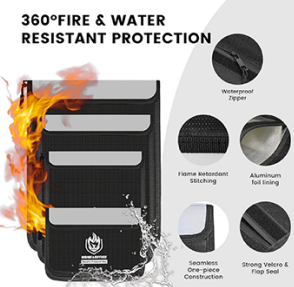
The layers inside a fireproof bag are what do the actual work, and the composition and thickness of these layers vary significantly between budget and premium products. A well-built fireproof bag typically starts with a silicone-coated fiberglass outer layer. Fiberglass has a melting point above 1000 degrees Fahrenheit, and the silicone coating adds water resistance and structural integrity. Beneath that, one or more layers of aluminum foil or aluminized fabric reflect radiant heat, preventing it from reaching the documents inside. Some designs also include a layer of non-woven insulating felt or a similar thermal barrier material that slows conductive heat transfer. The total thickness of these combined layers directly affects performance. A bag with a single thin layer of fiberglass and basic foil will offer noticeably less protection than one with double-layer fiberglass and thick aluminum insulation sheeting. At our manufacturing facility, we have worked with clients who required customized fireproof bags for document protection, featuring a large-capacity design with multiple compartments and a sturdy metal build. These bags include practical features like a 3-digit combination lock and a comfortable handle, combining security with fire protection. When evaluating a fireproof bag, buyers should look beyond marketing labels and ask about the specific layering structure: how many layers of fiberglass, what type of insulation is used between them, and whether the seams between layers are overlapped or simply butted together. Overlapped seams create fewer direct heat paths to the interior.
Security Features That Complement Fire Protection
While the primary purpose of a fireproof bag is thermal protection, the best models also incorporate physical security features that protect against theft and unauthorized access. A combination lock, especially a 3-digit model, provides a basic level of security for home and office use without requiring you to keep track of a separate key. Some higher-end bags integrate key locks or even biometric options, though these add complexity and potential failure points. The zipper or closure mechanism matters as well. A heavy-duty metal zipper with interlocking teeth creates a tighter seal than a plastic zipper, and that seal helps reduce smoke infiltration-a factor that many buyers overlook. Smoke damage can be just as destructive as direct flame, particularly for paper documents that absorb odors and particulates. A quality fireproof bag also includes reinforced stitching at all stress points: the handle attachments, lock housing, and zipper ends. These are the areas most likely to fail when someone grabs a bag in an emergency and pulls hard. A comfortable, well-anchored handle might seem like a minor detail, but in an evacuation scenario, it can mean the difference between grabbing the bag in one smooth motion and fumbling with it under stress.
Practical Sizing and Internal Organization
Fireproof bags come in a wide range of sizes, and choosing the right one depends on what you plan to store. A compact model sized around 12 by 10 inches can hold standard letter-size documents, passports, and a small amount of cash or jewelry. A larger model, often 15 by 12 inches or bigger, can accommodate legal-size documents, multiple file folders, external hard drives, and even a small laptop. One key design element to look for is multi-compartment organization. A single open cavity forces all items to stack on top of each other, which means you have to remove everything to reach something at the bottom-not ideal in an emergency. Bags with built-in dividers, mesh pockets, or separate zippered sections let you organize passports in one area, cash and cards in another, and important certificates in a third. Some fireproof bags also include external pockets that are not fire-rated but provide convenient access to items you use frequently, reducing the number of times you need to open and close the main fireproof compartment. The bag's physical weight and portability also matter. A fully featured large-capacity bag with multiple compartments and a metal-reinforced body can weigh several pounds even when empty. If portability is a priority, look for models that use lighter insulating materials without sacrificing their core temperature rating.
Sourcing Considerations for Resellers and Corporate Buyers
For businesses purchasing fireproof bags in bulk-whether for corporate employee safety kits, insurance company client gifts, or retail resale-there are several supplier evaluation criteria that go beyond the consumer checklist. First, request the fire resistance test report or certification for the specific model you are ordering. Reputable manufacturers should be able to provide documentation showing the temperature rating and duration tested, along with the testing standard used. Second, ask about material traceability. A factory that can identify the source and specification of its fiberglass cloth, aluminum foil, and silicone coating is more likely to deliver consistent quality across production batches than one that sources materials opportunistically. Third, evaluate the warranty terms and the supplier's track record for honoring them. A fireproof bag is a safety product; if a batch has a manufacturing defect that compromises heat protection, the financial and reputational fallout for a reseller can be severe. At a minimum, the supplier should offer a clear defect replacement policy and be willing to share third-party lab test results. Finally, confirm compliance certifications such as REACH and CPC, which verify that the materials used meet safety and environmental standards. A supplier operating from a certified facility with integrated manufacturing-covering everything from material cutting to final assembly and inspection-offers more transparent quality control than one that subcontracts critical steps.
Maintenance, Lifespan, and When to Replace
A fireproof bag is not a permanent, maintenance-free product. Over time, the fire-resistant materials can degrade, especially if the bag is stored in humid conditions or subjected to frequent folding and compression. Fiberglass can become brittle, aluminum foil layers can develop tears, and silicone coatings can peel if exposed to extreme temperature fluctuations. Most manufacturers recommend replacing a fireproof bag after five to ten years of regular storage, or immediately if the bag has been exposed to an actual fire event-even if it appears undamaged from the outside. The internal layers may have been compromised by heat exposure that did not fully penetrate. For optimal lifespan, store the bag flat in a cool, dry location away from direct sunlight. Avoid placing heavy objects on top of it, as consistent compression can flatten insulating layers and reduce their effectiveness. If the bag has a combination lock, test it every few months to ensure the mechanism still operates smoothly; a stuck lock in an emergency defeats the purpose of the bag entirely. Inspect the bag annually for signs of wear: frayed stitching, cracks in the outer coating, or rust on metal components all signal that it may be time to replace the unit.
Q: Can a fireproof bag protect electronic devices and USB drives?
A: Fireproof bags can reduce the risk of heat damage to electronics, but they are not designed to protect against the magnetic fields that can corrupt data storage. USB drives, external hard drives, and SSDs may survive a fire inside a quality fireproof bag, but always maintain off-site backups as your primary data protection strategy.
Q: How do I know if a fireproof bag's temperature rating is legitimate?
A: Look for bags that specify both the maximum external temperature and the rated protection duration (e.g., "up to 1500 degrees Fahrenheit for 30 minutes"). Reputable brands provide third-party lab test documentation. Be skeptical of bags that claim protection without citing a specific testing standard.
Q: Does a fireproof bag also protect against water damage from sprinklers or fire hoses?
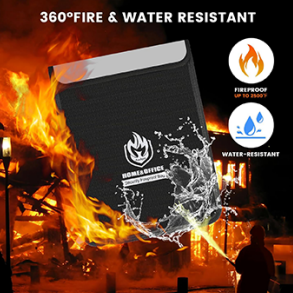
A: Many fireproof bags have a silicone-coated exterior that provides some water resistance, but they are not typically rated as fully waterproof. If water protection is equally important, look for models that explicitly advertise dual fire-and-water resistance, or store the fireproof bag inside a waterproof container.

 Hot News