Why Pickleball Equipment Needs a Purpose-Built Bag
Pickleball has exploded in popularity, and with that growth comes a practical question that every new player eventually faces: can you just grab any old gym bag or tote and call it good enough for your paddles, balls, and accessories? The short answer is yes, you can carry pickleball gear in a regular bag, but the longer and more useful answer is that a regular bag will frustrate you in ways you might not anticipate until you are halfway through your third week of play. A standard gym duffel or backpack is designed for soft, compressible items like clothes and towels. Pickleball paddles, on the other hand, are rigid composite or graphite slabs with a specific shape that does not conform to a bag's interior. When you toss paddles into a regular bag, they slide around, rub against each other, and gradually wear down the edge guard and face surface. Over weeks of use, that casual storage approach can reduce the lifespan of paddles that cost anywhere from fifty to over two hundred dollars each. A dedicated pickleball bag addresses this by including padded, shaped compartments that hold paddles securely in place, preventing the edge-to-edge friction that accelerates wear.
Key Storage Considerations for Pickleball Players
Beyond paddle protection, a good pickleball bag solves the organization problem that any regular bag ignores. Most pickleball players carry at least two paddles, three to six balls, a water bottle, a towel, court shoes, and often a change of clothes. Add sunscreen, grip tape, wristbands, and maybe a small first-aid kit, and you have a collection of items with vastly different shapes and access priorities. A regular bag dumps all of this into one undifferentiated space. When you are rushing to switch courts or grab a ball between games, digging through a mess of shoes, towels, and loose balls is not just annoying-it slows down the pace of play for your entire group. A pickleball-specific bag uses dedicated pockets for balls, ventilated compartments for shoes, insulated sleeves for water bottles, and padded sleeves for paddles, making every item accessible in seconds. Some designs also include a fence hook, a small but game-changing feature that lets you hang the bag on the court fence at eye level during play, keeping your gear off the ground and within easy reach without having to bend down or kneel.
Material Durability and Weather Resistance for Court Use
Pickleball is played outdoors more often than not, which means your bag is going to sit on asphalt or concrete courts in direct sun, sometimes for hours. It may get rained on during a sudden summer shower or pick up dust and grit from the court surface. These conditions are harsh on materials. A regular canvas tote or cheap nylon backpack will fade under UV exposure, absorb moisture that leads to mildew, and collect abrasive court dust in every seam and zipper. A quality pickleball bag uses UV-resistant fabrics and water-repellent coatings to handle these conditions. The base of the bag, which rests directly on the court surface, should have a reinforced, easy-to-clean material rather than fabric that soaks up moisture and dirt. Zippers on outdoor sports bags face a particular challenge: fine court dust works its way into coil zippers and causes them to bind or fail. Higher-quality pickleball bags use larger-gauge zippers with protective storm flaps that shield the zipper teeth from direct dust exposure. From manufacturing experience working with sport bag designs, we have seen that even small details like zipper pull size make a practical difference-oversized pulls are much easier to operate with sweaty or sunscreen-slick hands than standard-sized pulls.
Size Options and Their Practical Trade-offs
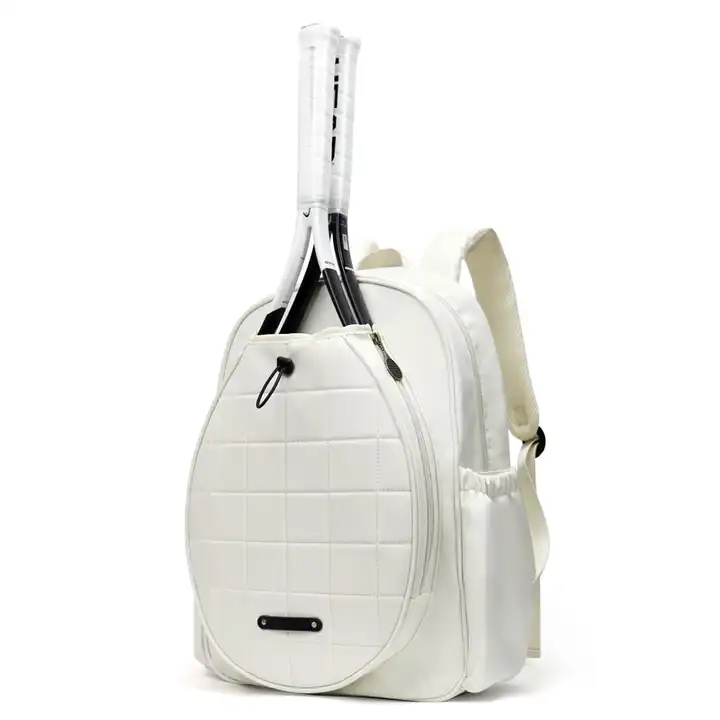
Pickleball bags generally come in three size tiers, and which one makes sense depends on how you play. A compact sling or tote bag sized for one or two paddles, a few balls, and personal essentials works well for recreational players who drive to the court, play for an hour, and head home. These smaller bags are lightweight and easy to carry, but they leave no room for extra gear like a change of shoes or a jacket. A mid-sized backpack or duffel with capacity for four to six paddles, a dozen balls, shoes, and clothing is the sweet spot for most regular players who participate in leagues or weekly round-robins. These bags typically weigh between one and two kilograms empty and can be comfortably carried with padded shoulder straps. At the top end, tournament-sized bags hold eight or more paddles, multiple sets of clothing, large water bottles, and coaching accessories. These are designed for competitive players or coaches who spend full days at tournament venues. The trade-off is weight and bulk: a fully loaded tournament bag can exceed five kilograms, so carrying comfort becomes a critical evaluation point. Look for wide, contoured shoulder straps with breathable mesh backing if you will be carrying the bag across large venue parking lots or between multiple court locations.
Practical Sourcing Scenario for Pickleball Bag Buyers
Consider a scenario where a pickleball club or retail brand is evaluating bag suppliers for a new product line. The buyer reviews sample bags from multiple factories and discovers that two bags with similar exterior dimensions perform very differently under real court conditions. One bag uses a single-layer polyester shell with basic foam padding in the paddle compartment; after three months of use by test players, the foam compresses permanently and the paddles begin to shift. The other bag uses a multi-layer construction with high-density EVA foam padding in a molded paddle compartment, maintaining its shape and protective fit after six months of heavy use. The zippers on the first bag begin to bind after exposure to fine court dust, while the zippers on the second bag, which are shielded by storm flaps, continue to operate smoothly. The lesson for buyers is that specifications on paper do not always translate to real-world durability. When evaluating pickleball bag suppliers, ask about foam density ratings for padded compartments, zipper brand and gauge, and whether the base material has been tested for UV resistance and abrasion tolerance. Facilities with integrated quality control and certification systems such as ISO and CPC tend to produce more consistent results across production batches than those without documented quality management.
Maintaining Your Pickleball Bag for Long-Term Use
Even the best pickleball bag benefits from basic care. After each session, empty the bag completely and shake out any loose court dust or debris. This is especially important for the shoe compartment, as dirt trapped against the fabric for extended periods can work its way into the weave and cause premature wear. Wipe down the exterior with a damp cloth if the bag has been sitting on a dusty or dirty court surface. For bags with water bottle sleeves, check for moisture accumulation after each use and let the sleeve air-dry before storing the bag in a closet or trunk, as trapped moisture promotes mildew. Inspect zippers monthly and clean the tracks with a soft brush if court dust has accumulated. If the bag has a fence hook, check the stitching at the attachment point periodically-this is a high-stress area that bears the full weight of the loaded bag against the chain-link fence during play. With basic maintenance, a quality pickleball bag should provide reliable service through multiple seasons of regular play.
Q: Can I use a tennis bag for pickleball instead?
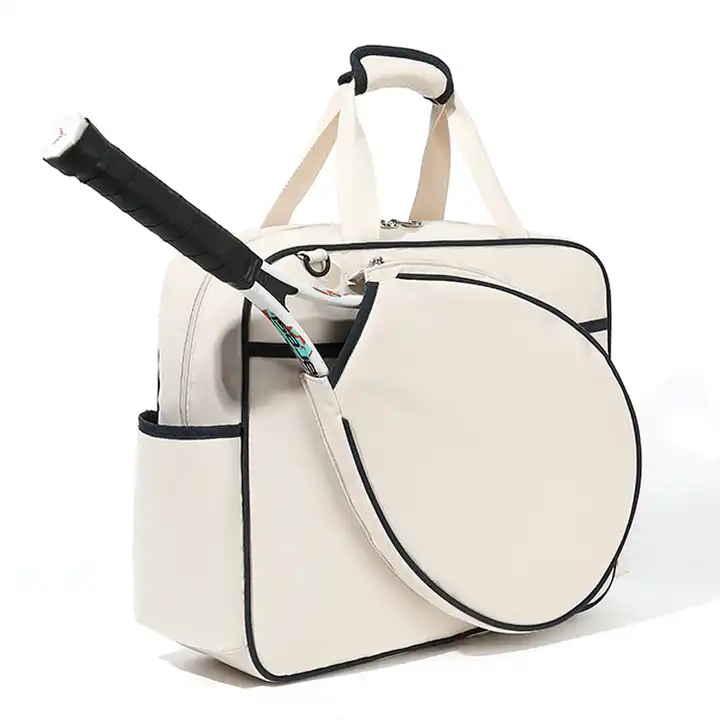
A: A tennis bag can work for pickleball since both sports use paddles or racquets, but there are differences. Tennis bags are typically larger than necessary for pickleball gear, and they may lack specific features like ventilated compartments for court shoes or integrated fence hooks that are standard on many pickleball bags. If you already own a tennis bag, it is a reasonable starting point, but if you are buying new, a dedicated pickleball bag provides a better-fit design at a similar price.
Q: How many paddles should a good pickleball bag hold?
A: For recreational players, a bag that holds two paddles is sufficient. Regular league players often prefer bags that hold four to six paddles so they can carry backup paddles or share with partners. Tournament players and coaches may want bags that hold eight or more paddles for maximum flexibility.
Q: Does a pickleball bag need to be waterproof?
A: Full waterproofing is rarely necessary for pickleball, but water resistance is valuable. A bag with a water-repellent coating and storm flaps over zippers provides enough protection against unexpected rain showers and damp court conditions without the added cost and weight of a fully waterproof design.

 Hot News