What makes a tote bag different from any other carry-all
Few bag styles have achieved the cross-context adaptability of the tote bag. It moves seamlessly from a morning commute bag holding a laptop and lunch container, to an afternoon shopping companion carrying groceries in place of plastic bags, to a weekend beach bag loaded with towels, sunscreen, and a book. This versatility is not accidental — it is the result of a deliberate design philosophy of open-top access, generous volume, and structural simplicity. However, not every tote bag performs equally well across these different roles. The materials, construction details, and functional add-ons that distinguish a truly versatile tote from a basic canvas sack are worth understanding whether you are buying one for yourself or sourcing them for a retail brand.
Material-driven versatility: why fabric choice determines how many roles a tote can play
The single biggest factor in a tote bag's versatility is its material, because the fabric defines what the bag can carry, how much weight it can handle, and whether it survives rain or a washing machine. Cotton canvas is the traditional choice — affordable, washable, and available in a wide range of weights from lightweight 6-oz to heavy-duty 20-oz canvas. It works well for grocery runs, library trips, and casual daily use, but it absorbs water and stains easily unless treated. Quilted polyester or nylon totes add a layer of padding and a more structured silhouette, making them suitable for carrying electronics or fragile items while maintaining a polished appearance appropriate for office settings. For beach and pool use, fabrics with UPF 50+ UV protection and sand-proof coatings — meaning the weave is tight enough to prevent fine sand from embedding in the fibers — solve real usability problems that standard canvas cannot. On the premium end, PU leather or vegan leather totes with features like RFID-blocking pockets and gold-plated hardware serve the luxury segment, combining style with functional security. OEKO-TEX certified fabrics across these categories provide an additional trust signal for consumers concerned about chemical safety in products that touch their skin and belongings daily.
Construction details that separate a durable tote from a disposable one
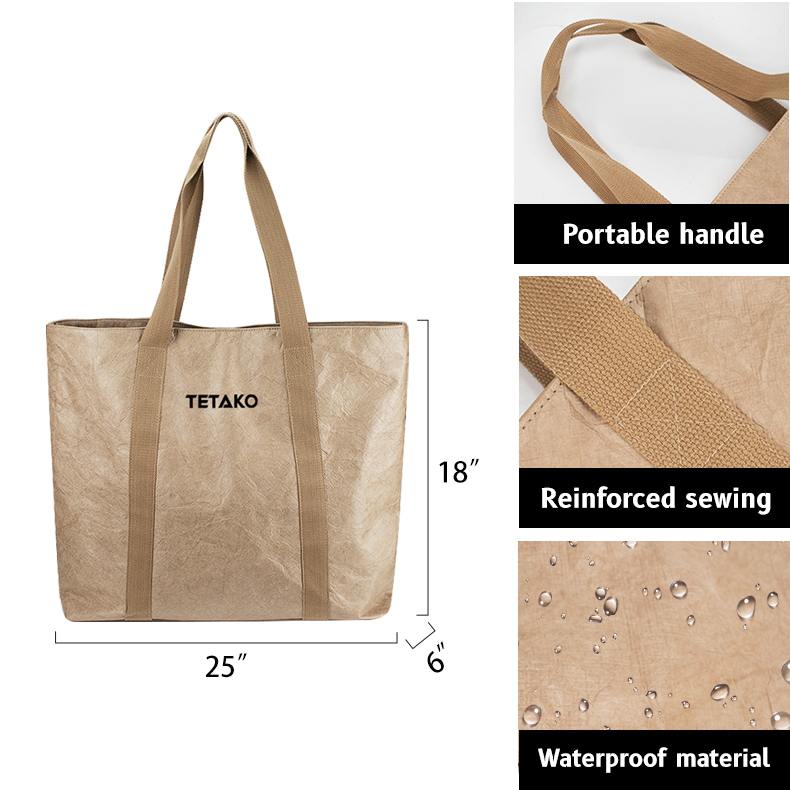
The difference between a tote bag that lasts three years and one that fails in three months often comes down to a few centimeters of stitching and the quality of a few hardware components. Double-stitched or reinforced seams at the handle attachment points are non-negotiable for any tote expected to carry more than 5 kilograms regularly. YKK zippers on closure compartments withstand thousands of open-close cycles without jamming or separating, and their presence is a reliable indicator of overall build quality. An IPX4 water-resistant rating on the fabric means the bag can handle light rain and spills without the contents getting wet — a practical feature for commuters in unpredictable weather. A three-year warranty on manufacturing defects, such as that offered by reputable manufacturers like Allwin Bags — which operates a 2,000-square-meter Shenzhen facility with over 200 workers and holds BSCI, ISO, and REACH certifications — signals confidence in the bag's construction quality and gives retail buyers a competitive differentiator.
A retailer's sourcing scenario: evaluating tote bag suppliers for a seasonal collection
For a retail brand planning a seasonal tote bag collection — perhaps a summer line with beach totes and a fall line with quilted everyday totes — the supplier evaluation goes far beyond the sample bag's appearance. A manufacturer with an MOQ (minimum order quantity) between 500 and 1,000 units provides the flexibility to test multiple designs in moderate quantities without overcommitting inventory. In-house design capability means the supplier can translate a brand's concept sketches into production-ready patterns rather than requiring the brand to provide complete tech packs. Customization options should include material selection across cotton, polyester, nylon, PU leather, and canvas; color matching to any Pantone reference; logo application via silk screen printing, embroidery, digital printing, embossing, debossing, or woven labels; and custom hardware finishes such as brushed gold or matte black zinc alloy. Certifications like OEKO-TEX (fabric safety), REACH (chemical compliance for the European market), and CE (product safety for the European Economic Area) demonstrate that the manufacturer's quality management extends beyond visual inspection to material safety and regulatory compliance.
Specialized tote variants that expand the definition of versatility
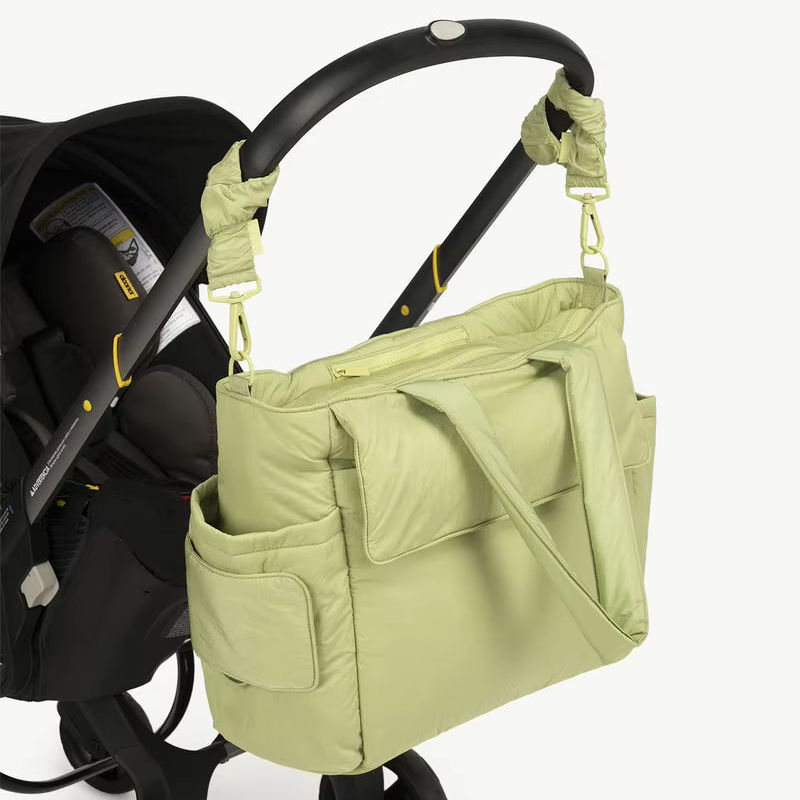
The tote bag category has evolved well beyond the single-compartment canvas carry-all. Beach totes now incorporate UPF 50+ rated fabrics, sand-proof mesh panels that allow the bag to be shaken clean, and waterproof base panels that can sit on wet sand without soaking through. Quilted totes with padded laptop sleeves and internal organizer pockets serve as a hybrid between a handbag and a work bag, suitable for professionals who want one bag that transitions from the office to after-work activities. Luxury totes with RFID-blocking technology and gold-toned hardware cater to consumers who prioritize security alongside aesthetics — particularly relevant for travel in crowded urban environments where contactless card skimming is a concern. Each of these variants solves a different set of problems while maintaining the tote's essential open-top, high-volume DNA. The versatility of the tote bag as a category is that these specialized versions can coexist alongside basic models, each serving a distinct segment of the same broad market.
Care and maintenance practices that maximize a tote bag's lifespan
A tote bag used daily accumulates wear that can be managed with simple routines. Canvas totes should be emptied weekly, turned inside out, shaken to remove debris, and spot-cleaned with a mild detergent solution. Machine washing is appropriate for untreated cotton canvas in cold water on a gentle cycle, but quilted, coated, or leather-trimmed totes should be cleaned by hand or professionally. After exposure to rain or beach use, the bag should be air-dried completely in a well-ventilated area — never in direct sunlight for extended periods, as UV exposure can fade colors and degrade synthetic coatings. Zippers benefit from an occasional application of zipper lubricant or a simple graphite pencil rub along the teeth to maintain smooth operation. Storing totes flat or hanging rather than folded prevents permanent creasing in the fabric and extends the life of structured panels.

 Hot News