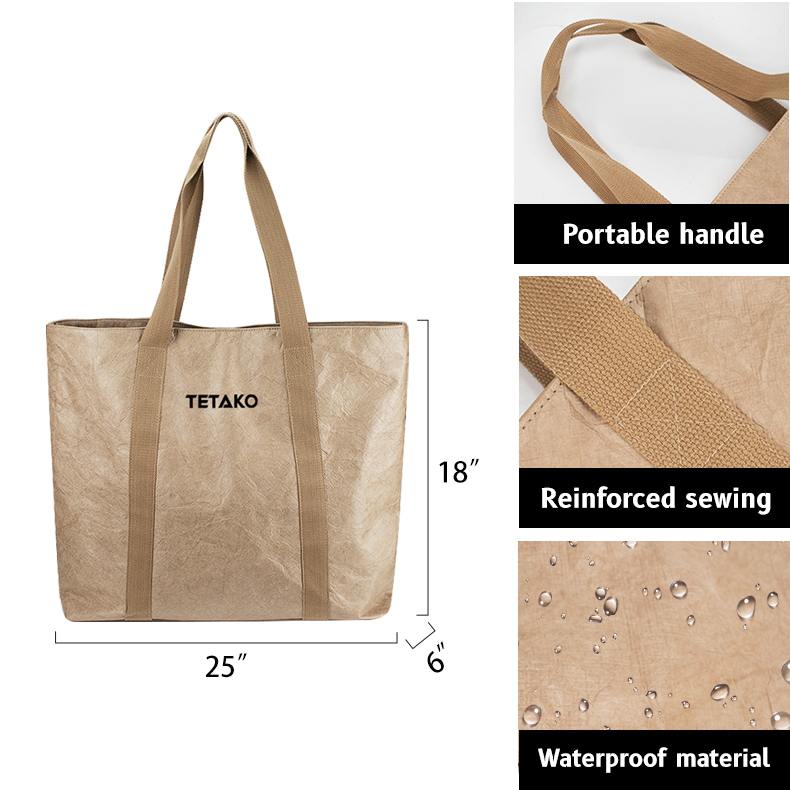
The puffer tote bag has moved from seasonal trend to everyday staple, and for good reason. Unlike structured leather totes that feel formal and heavy, or unstructured canvas bags that collapse into shapeless sacks, the quilted puffer tote offers a middle ground: structured enough to hold its form, soft enough to carry comfortably, and visually distinctive enough to complement a wide range of outfits. For commuters, weekend travelers, and anyone who needs a bag that transitions from office to grocery run to brunch, the puffer tote has earned its place in the daily rotation.
The Quilted Construction: Style That Serves a Function
The defining feature of a puffer tote bag is its quilted, padded construction—a design borrowed from cold-weather outerwear and adapted into a carry solution. The quilting is not purely aesthetic. The stitched channels create pockets of air within the padding, providing natural insulation that helps maintain the temperature of contents. This makes puffer totes particularly useful for carrying lunch containers, chilled beverages, or temperature-sensitive items during a commute. The padding also provides a degree of impact protection for electronics, offering a buffer layer between a laptop or tablet and the outside world. The quilting pattern itself—whether diamond, horizontal channel, or wave—adds textural interest that sets these bags apart from smooth-surface alternatives.
Materials: Nylon, Vegan Leather, and Performance Fabrics
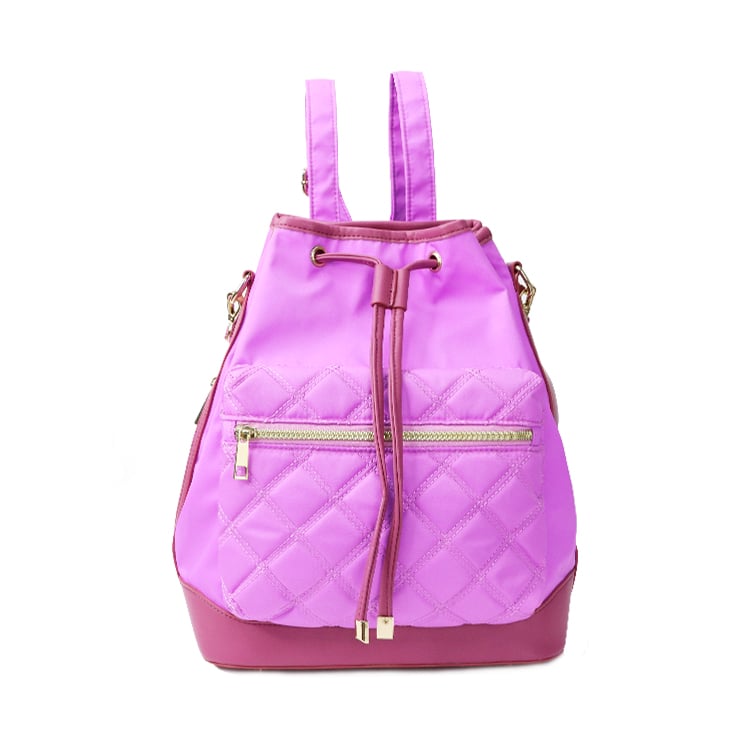
Puffer tote bags are manufactured in a range of materials, each with distinct characteristics. Nylon is the most common choice for its lightweight feel, water resistance, and ability to hold vibrant dyes. A nylon puffer tote with a water-repellent finish can handle light rain and accidental spills without saturating. Vegan leather options offer a more polished look suitable for office environments, combining the puffer aesthetic with a smoother, more structured exterior. Some manufacturers also produce hybrid versions that pair a nylon quilted body with vegan leather trim and handles for a balanced look. The interior lining typically uses polyester fabric, and in higher-specification production runs, OEKO-TEX certified lining ensures the material has been tested for harmful substances—a detail that matters for bags that carry food, cosmetics, or baby items.
Practical Design Elements for Daily Use
Beyond the quilted exterior, what makes a puffer tote genuinely useful day to day comes down to thoughtful design details. A wide, flat base prevents the bag from tipping over when set down—a small feature that eliminates frustration in offices, cafes, and public transit. Interior pockets, ideally with zipper closures, keep small items like keys, earbuds, and transit cards from sinking to the bottom. Magnetic snap or zipper top closures provide quick access while keeping contents secure. Comfortable shoulder straps with sufficient drop length allow the bag to sit naturally under the arm, even over a winter coat. These features may seem minor individually, but together they determine whether a puffer tote becomes a go-to bag or gets relegated to the back of a closet.
Versatility Across Occasions and Audiences
The puffer tote crosses demographic lines more fluidly than most bag styles. College students appreciate the lightweight carry and the ability to fit a laptop, notebooks, and a water bottle without the bulk of a backpack. Office workers value the professional-enough appearance of vegan leather versions paired with the practical capacity to hold work documents and a lunch bag. Parents find the spacious interior accommodates diapers, wipes, snacks, and a change of clothes while remaining stylish. Weekend travelers use puffer totes as personal items on flights, taking advantage of the insulation to keep snacks fresh and the padding to protect tablets and e-readers. This versatility is why the puffer tote category has sustained demand beyond the initial trend cycle.
Application Example: A Boutique Retailer's Private-Label Puffer Tote Line
A boutique accessories retailer in Europe developed a private-label puffer tote collection for the spring-summer season. The order required three colorways—blush pink, sage green, and charcoal—in matte-finish nylon with vegan leather strap trim. Each bag needed a custom-embroidered brand logo on the exterior quilted panel, internal zipper pockets sized for smartphones, and magnetic snap closures. The manufacturer produced samples within 5 working days, then completed the 2,000-unit production run in 35 days. The buyer noted that the padded construction reduced customer complaints about laptop damage during daily commuting compared to the retailer's previous unstructured canvas tote line. The manufacturer's quality testing protocol—checking every bag for stitch consistency, zipper function, and color accuracy before packing—was cited as a deciding factor in repeat orders.
Care and Maintenance for Puffer Tote Longevity
Puffer tote bags require specific care to maintain both their appearance and their insulating properties. Spot cleaning with a damp cloth and mild soap is the recommended method for removing surface dirt; machine washing should be avoided as it can cause the quilting to lose loft, distort the bag's shape, and compromise water-repellent coatings. For nylon puffer totes, a fabric protector spray applied after cleaning can refresh water resistance. Storage is equally important: the bag should be stored unstuffed in a cool, dry location. Prolonged compression—such as being wedged between other bags on a shelf—can permanently flatten the quilted padding. Keeping the bag away from direct sunlight prevents color fading and material degradation of both nylon and vegan leather.

 Hot News