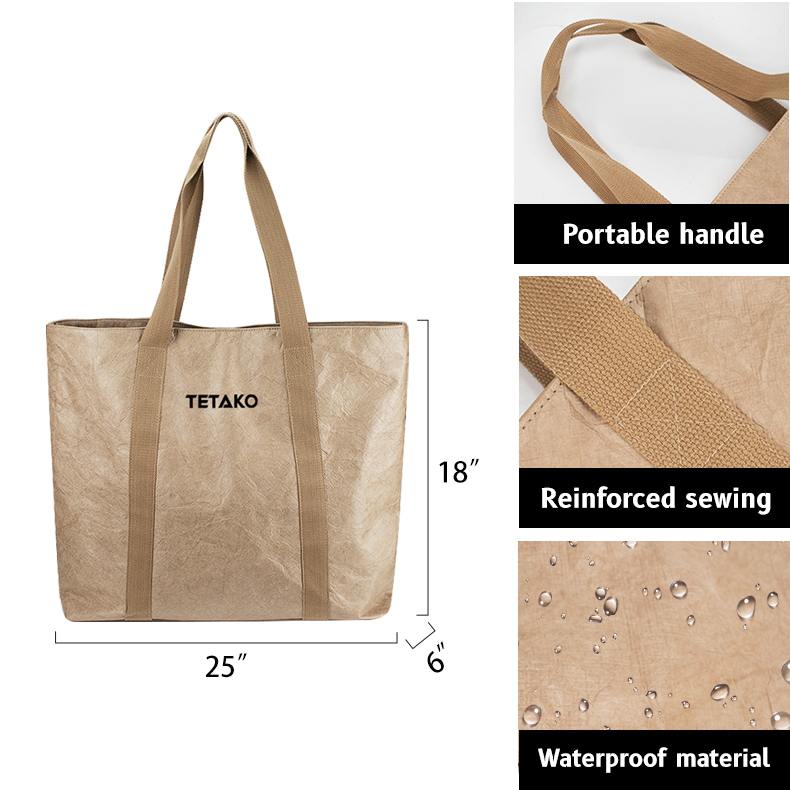
A puffy bag—whether a quilted tote, crossbody, or shoulder bag—gets its distinctive look and function from padded, channel-stitched construction. That same construction also makes it more sensitive to improper storage than a standard flat-fabric bag. When a puffy bag is crushed, compressed for long periods, or exposed to unfavorable conditions, the padding can lose loft permanently, the shape can warp, and the insulation properties that make these bags useful for carrying food, electronics, and temperature-sensitive items can degrade. Proper storage is straightforward but requires attention to a few specific factors: compression, moisture, light exposure, and cleaning before storage.
Why Puffy Bags Need Different Storage Than Regular Bags
The key difference between a puffy bag and a standard tote or handbag lies in the internal padding. The stitched channels that create the quilted texture also trap air, giving the bag its loft and insulating capability. When a puffy bag is compressed—stacked under heavier items, wedged tightly on a shelf, or folded into a small space—the air channels collapse. If compression is brief, the padding typically rebounds within a few hours. But prolonged compression, especially combined with heat or humidity, can cause the filling material to mat down permanently, resulting in a flattened, lumpy appearance that cannot be restored. Unlike a down jacket, most puffy bags use synthetic fill that has some memory, but that memory has limits. Once those limits are exceeded, the bag's structure is compromised.
Step-by-Step Storage Method
Begin by emptying all compartments completely. Items left inside—especially heavy ones like water bottles, power banks, or books—create pressure points that deform the padding in specific areas. Check every pocket, including hidden interior zipper compartments, as small forgotten items can leave permanent indentations over time. Next, clean the bag before storing. Surface dirt, oil from hands, and cosmetic residue can set into fabric over weeks or months of storage, becoming harder to remove later. Spot clean the exterior with a damp microfiber cloth and a mild soap solution, focusing on high-contact areas like handles, corners, and the bottom panel. For nylon puffy bags, a fabric protector spray applied after cleaning adds a refresh layer of water repellency before the bag goes into storage. Allow the bag to air dry completely—this is critical. Even slight residual moisture trapped in the quilted channels can promote mildew growth, which produces an odor that is extremely difficult to eliminate from padded fabric.
Choosing the Right Storage Environment
The ideal storage environment for a puffy bag is cool, dry, and dark. Temperature matters because heat accelerates the breakdown of synthetic padding and can cause adhesives used in construction to weaken. Humidity matters because moisture promotes mildew and can cause metal hardware—zippers, magnetic snaps, rivets—to corrode over time. Darkness matters because UV exposure from direct sunlight or even strong indoor lighting can fade fabric dyes and degrade both nylon and polyurethane coatings. A closet shelf, an under-bed storage container, or a dedicated bag storage cabinet all work well, provided they meet these three conditions. Avoid attics, which tend to be hot in summer, and basements, which tend to be damp year-round.
Storage Orientation: Hang, Shelf, or Dust Bag?
The best storage orientation for a puffy bag depends on its size and handle type. Smaller crossbody and shoulder puffy bags can be hung by their straps on padded hangers, which prevents compression entirely. However, hanging a larger puffy tote by thin straps for extended periods can cause the straps to stretch or the attachment points to weaken under the bag's own weight. For larger totes and handbags, shelf storage is preferable—place the bag upright on a shelf with enough space around it that it is not squeezed between other items. If shelf space is limited, a breathable cotton dust bag offers protection from dust and light while allowing air circulation. Avoid plastic bags or bins for long-term storage, as they trap humidity and can create a micro-environment that encourages mildew. If a dust bag is not available, a clean cotton pillowcase works as an effective alternative.
Material-Specific Storage Considerations
Different puffy bag materials require slightly different storage approaches. Nylon puffy bags are relatively resilient and tolerate a wider range of conditions, but their water-repellent coatings can degrade faster in heat. Store nylon bags in cooler areas of the closet rather than near heat sources. Vegan leather puffy bags require extra care: the polyurethane coating can crack if stored in conditions that are too dry or too humid. A moderate humidity level—around 40 to 50 percent—is ideal. Avoid folding vegan leather bags, as creases can become permanent. Stuff the interior lightly with acid-free tissue paper to help the bag hold its shape without over-stretching seams. Hybrid bags combining nylon bodies with vegan leather trim should follow the more restrictive vegan leather guidelines for the trim areas.
Application Example: A Retailer's Seasonal Inventory Storage
A fashion accessories retailer in the Middle East manages seasonal rotation of puffy bag inventory, transitioning between spring-summer and autumn-winter collections twice per year. The retailer's warehouse protocol for off-season storage includes: individual cotton dust bags for each unit to prevent color transfer between bags in storage; rack shelving with dividers to maintain space between units and prevent compression; climate-controlled storage areas maintained at 22 to 25 degrees Celsius and 45 to 55 percent relative humidity; and pre-storage quality inspection to identify and address any surface marks, loose threads, or hardware issues before the bag enters long-term storage. After implementing this protocol, the retailer reported a measurable reduction in customer returns attributed to storage-related defects—specifically flattened padding and mildew odor—compared to the previous season when bags were stored in bulk polybags on unregulated warehouse shelving.
Signs of Improper Storage and How to Address Them
Even with good intentions, storage mistakes happen. Recognizing the signs early allows for corrective action before damage becomes permanent. A flattened or unevenly compressed puffy bag can sometimes be revived by gently manipulating the padding—massaging the quilted channels with your fingers to redistribute the fill. Placing the bag in a bathroom during a warm shower can introduce gentle steam that helps synthetic fill relax and regain some loft, but this should be brief and followed by thorough air drying. A musty odor indicates mildew has begun to develop; the bag should be spot cleaned with a solution of equal parts water and white vinegar, then dried completely in a well-ventilated area. Surface mold can sometimes be addressed with professional cleaning. Hardware corrosion—visible as dulling, discoloration, or rough texture on zippers and metal trim—indicates the storage environment was too humid. Light corrosion can be polished gently with a soft cloth, but significant corrosion may require hardware replacement.


 Hot News