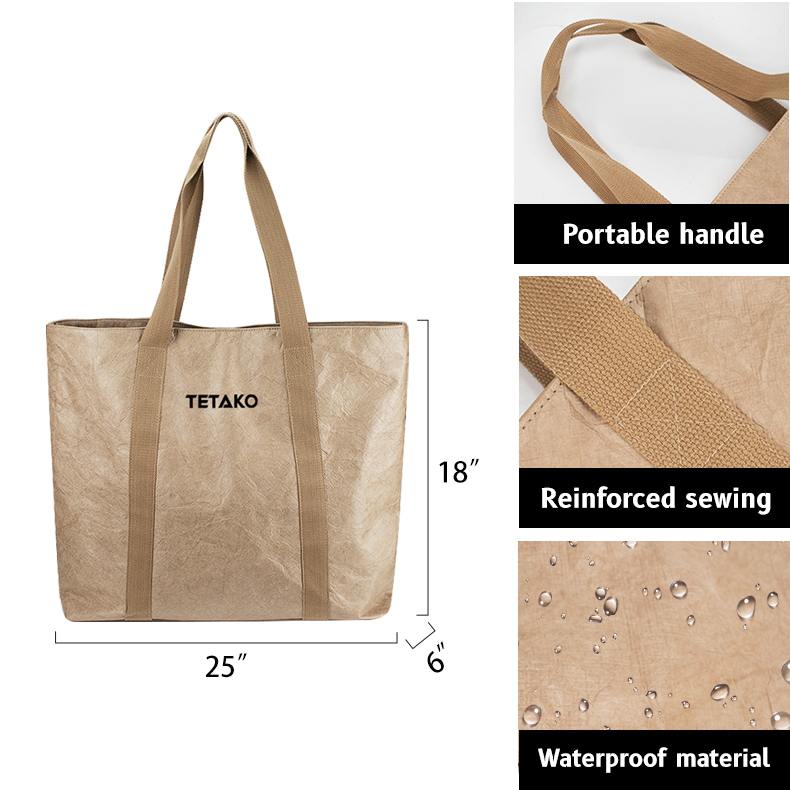
The unique demands of pickleball gear that a regular gym bag cannot meet
Pickleball is the fastest-growing racquet sport in North America, yet many players still arrive at the court with their paddles awkwardly wedged into a standard gym bag or tote. What they discover quickly is that a general-purpose bag does a poor job of protecting paddles, organizing balls, and keeping personal items separate from sweaty gear. A pickleball paddle has a distinct rectangular shape with a honeycomb polymer core and a fiberglass or graphite face — materials that can delaminate or chip when pressed against keys, water bottles, or other hard objects in an unstructured bag. Beyond paddle protection, a dedicated pickleball bag addresses the specific rhythm of this sport: short, intense games with frequent court changes, hydration breaks, and the need for rapid access to equipment between points.
Paddle protection and compartmentalization as the primary design priority
The most important function of a pickleball bag is keeping paddles safe from edge impacts and surface scratches that degrade performance over time. A purpose-built bag should include padded, fleece-lined paddle sleeves capable of holding one to four paddles securely, with individual slots that prevent paddles from rubbing against each other. The main compartment should be deep enough — typically 40 to 45 centimeters — to accommodate standard paddle dimensions without forcing them in at an angle. Modular divider systems are increasingly common in higher-quality designs, allowing players to reconfigure the interior for tournament days when they carry backup paddles versus casual play when they prioritize extra clothing and snacks. Secondary compartments for balls, grips, overgrip tape, wristbands, and a sweat towel should be accessible without unpacking the paddle section.
Material engineering for outdoor court conditions
Pickleball is played outdoors on hard courts exposed to sun, wind, and occasionally rain. A pickleball bag must therefore be built with materials that withstand UV exposure, resist water ingress, and tolerate frequent zipping and unzipping — often dozens of times per session. 600D tear-resistant polyester serves as a reliable base fabric, offering sufficient abrasion resistance for court-side placement without adding excessive weight. An IPX4-rated waterproof coating or laminate prevents moisture from seeping into the bag when it rests on damp ground or gets caught in light rain. YKK zippers are the industry standard for high-cycle durability, and their presence in a bag signals attention to long-term reliability — a zipper failure during a tournament is more than an inconvenience, it is a distraction that can affect focus and performance. OEKO-TEX certified lining materials also matter for players who store their bag in hot cars between sessions, as non-certified fabrics can release volatile compounds in high heat.
A sourcing scenario: what a pickleball club or retail brand should evaluate in a manufacturing partner
For a pickleball club ordering team bags or a retail brand developing a private-label pickleball bag line, the evaluation criteria extend beyond the bag's features to the manufacturer's production capabilities and quality systems. A supplier with a minimum order quantity (MOQ) of 300 units and a 10-day production lead time provides the flexibility needed for seasonal product launches and tournament merchandise programs. A 60-day defect replacement policy demonstrates confidence in manufacturing quality and protects the buyer's inventory investment. Certifications such as GRS (Global Recycled Standard) indicate that the manufacturer can support sustainability claims with documented recycled material content — an increasingly important factor for eco-conscious sports consumers. In-house design teams who can execute custom colors, logo placement (silk screen, embroidery, rubber patches), and compartment layout modifications allow brands to differentiate their products in a competitive market. A factory with over 10 years of bag manufacturing experience, a 2,000-square-meter facility, and a workforce of 200-plus skilled workers — such as Allwin Bags in Shenzhen, which holds BSCI, ISO, and REACH certifications — represents the kind of established supply chain that reduces sourcing risk.
Additional functional features that enhance the player experience
Beyond the core paddle-plus-gear configuration, several thoughtful features distinguish a well-designed pickleball bag. A ventilated shoe compartment or a separate wet-dry pocket keeps used court shoes and damp towels isolated from clean gear, preventing odor transfer and mold growth inside the bag. An external water bottle pocket with thermal insulation helps maintain drink temperature during summer play when court temperatures can exceed 35 degrees Celsius. A fence hook or carabiner loop allows the bag to hang on court fencing for easy access without placing it on the ground — a small detail that players who rotate through multiple courts in a tournament setting genuinely appreciate. Padded, adjustable shoulder straps and a sternum strap improve carrying comfort when the bag is fully loaded with paddles, balls, a water bottle, and personal items for a full day of play.
Choosing the right pickleball bag size for your playing style
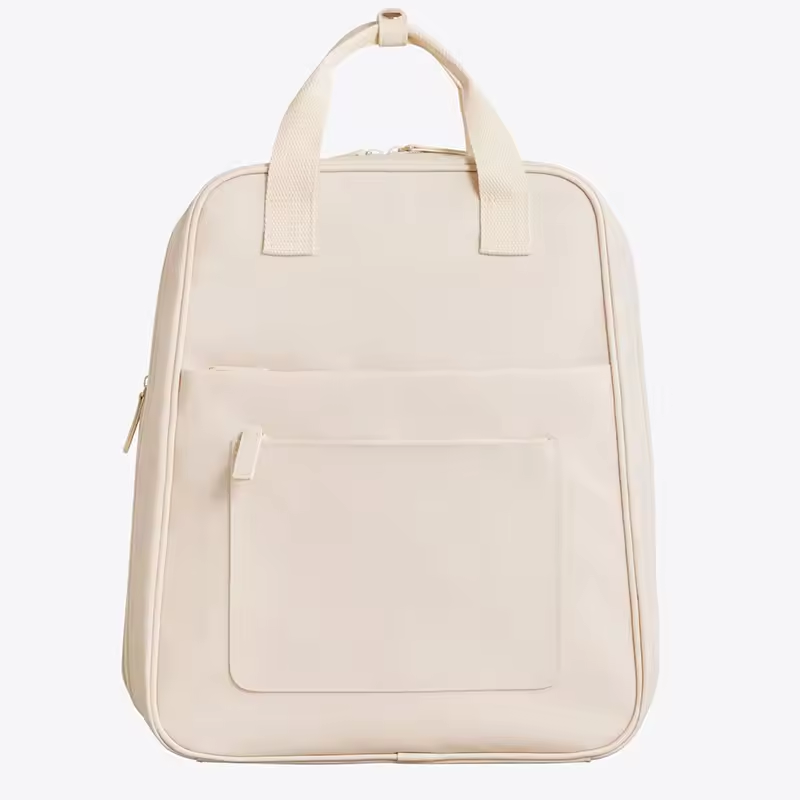
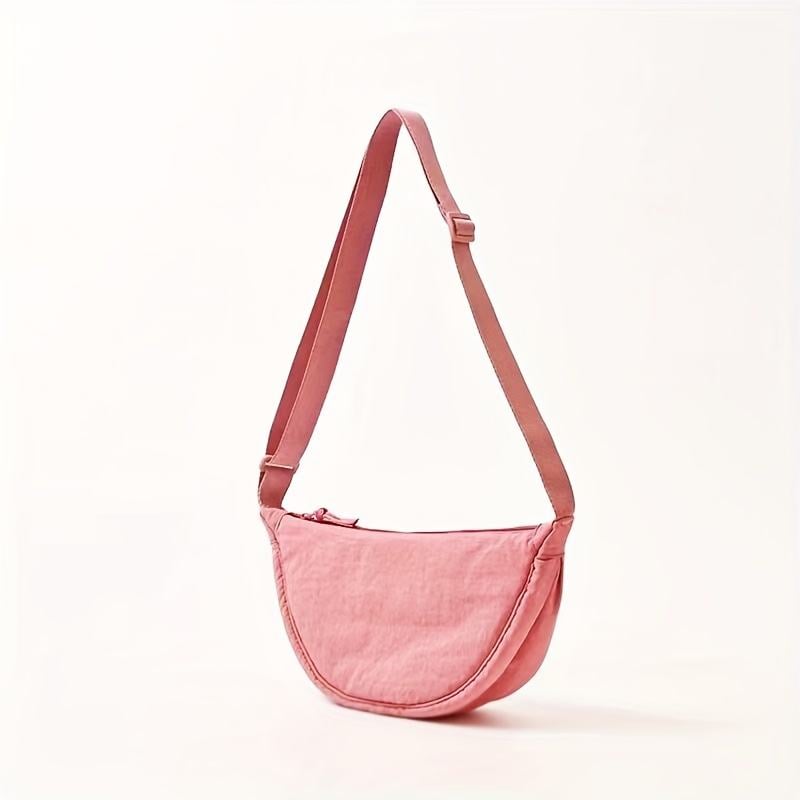
Pickleball bags are available in several capacity tiers, and the right choice depends on how often and how competitively a player engages with the sport. A compact sling-style bag holding one to two paddles, a few balls, and personal essentials works well for recreational players who visit the local court twice a week. A mid-size backpack model accommodating three to four paddles, six to eight balls, a change of clothes, and a cooler pocket suits regular club players and league participants. A full tournament backpack or duffel with capacity for six or more paddles, two dozen balls, multiple clothing changes, and a dedicated shoe compartment is the standard for competitive players who need to be self-sufficient across an eight-hour tournament day. Each tier should retain the core protective features — padded paddle sleeves, waterproof exterior, and quality zippers — regardless of overall capacity.

 Hot News