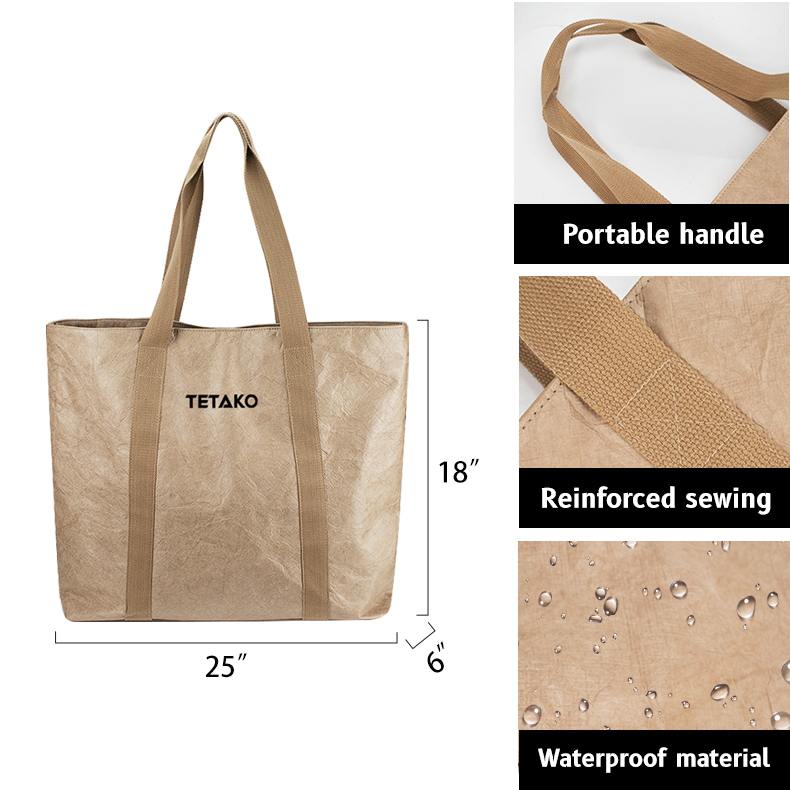
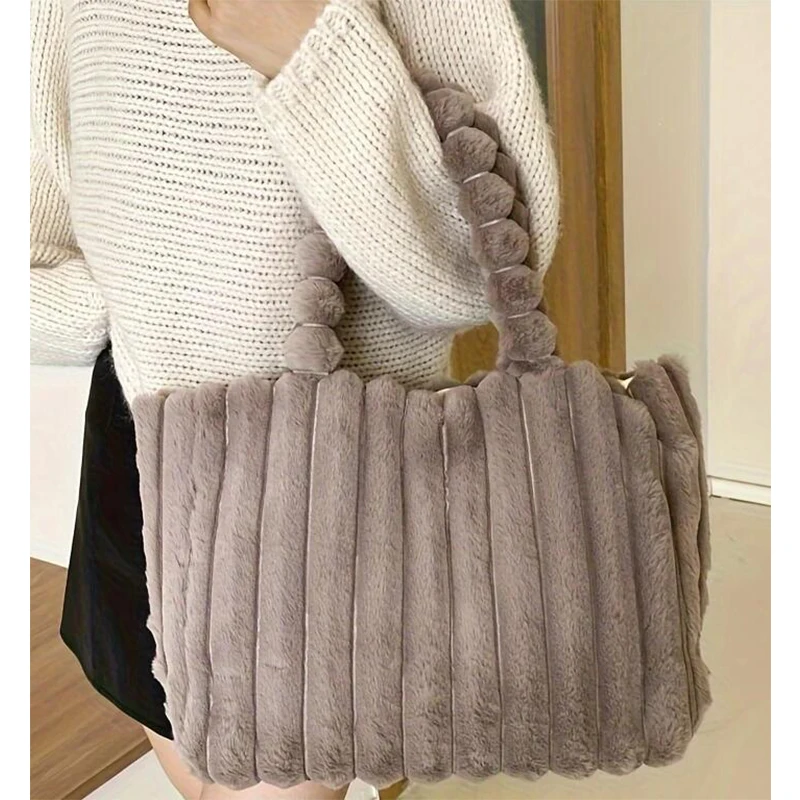
How Insulation Works to Keep You Warm in a Puffy Bag
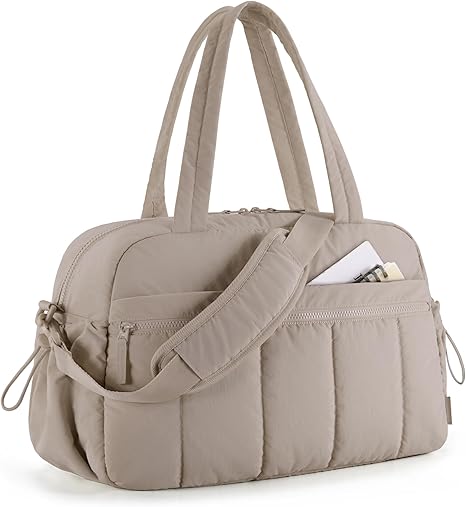
When winter winds pick up and temperatures drop, the science behind what makes a puffy bag truly cozy comes down to one thing: trapped air. Think of it like a portable layer of still air wrapped around your belongings—or around you, depending on the bag style. Puffy bags achieve their signature warmth through a quilted construction, where insulation materials such as polyester fiberfill are stitched into separate compartments, often arranged in diamond or channel patterns. These compartments, known as baffles, prevent the insulation from shifting and creating cold spots. The result is a bag that feels soft to the touch yet provides serious protection against the elements. Based on years of hands-on experience working with major bag manufacturers, we have seen how the quality of the quilting and the density of the fill directly determine how well a bag retains heat in freezing conditions. A well-made puffy bag doesn’t just look cozy—it performs like a lightweight thermal blanket that adapts to your daily needs.
Down vs. Synthetic Fill: Which Provides Better Winter Warmth?
The single biggest factor in a puffy bag’s warmth is the type of insulation inside. There are two main contenders: down and synthetic. Down insulation—typically sourced from duck or goose plumage—is widely regarded as nature’s finest insulator. It offers an unbeatable warmth-to-weight ratio, compresses into a tiny package, and can last for decades with proper care. However, down has a critical weakness: it loses its insulating ability when wet. Once moisture gets in, the feathers clump together and the loft collapses. Synthetic insulation, usually made from polyester fibers, takes the opposite approach. It doesn’t pack down as small as down, but it keeps you warm even when damp. This makes synthetic puffy bags far more reliable for wet or slushy winter conditions. For daily commuters walking through rain or snow, synthetic fill is often the more practical choice. It also tends to be more affordable and hypoallergenic. From a manufacturing standpoint, both materials can deliver excellent results—but understanding your climate and usage patterns will tell you which one is right for you. As one outdoor gear expert notes, down offers luxury warmth while synthetic provides tough, adaptable protection.
Design Features That Make a Puffy Bag Winter-Ready
Beyond the fill material, the physical design of a puffy bag matters enormously in cold weather. A quilted or padded construction is essential—this is what creates that distinctive “puffy” look and, more importantly, the air-trapping pockets that provide insulation. Look for bags with a water-resistant outer shell, ideally made from nylon or polyester with a durable water-repellent (DWR) coating. These materials help keep your belongings dry in snow or drizzle and also protect the insulation from losing its loft due to moisture. Another feature to check is the strap design. Padded, adjustable straps make a huge difference when you are carrying heavier winter gear, and they add an extra layer of comfort when you are wearing thick coats or gloves. Some puffy bags also include additional zippered compartments to organize small essentials like gloves, hand warmers, or a beanie—items that help you stay warm and prepared. From our experience producing custom bags for clients worldwide, we’ve found that paying attention to seam construction is equally important. Reinforced seams and double-stitched edges prevent cold air from seeping in and ensure the bag holds up season after season.
Durability and Sustainability in Quality Puffy Bags
A truly cozy puffy bag should also be built to last. Nobody wants a bag that loses its puffiness after one winter. High-quality puffy bags use durable fabrics like ripstop nylon or recycled polyester that resist tearing and abrasion. Some manufacturers are also moving toward sustainable insulation options, using recycled PET fibers derived from post-consumer plastic bottles. These eco-friendly materials offer impressive warmth while reducing environmental impact. In terms of care, most puffy bags are best cleaned by spot-treating stains with a mild detergent and a damp cloth. Avoid harsh rubbing, which can damage the quilting and cause insulation to shift. When not in use, store your puffy bag in a cool, dry place rather than compressing it tightly, as prolonged compression can reduce the loft of both down and synthetic fills. With proper maintenance, a well-made puffy bag can remain your go-to winter companion for many years. Allwin Bags holds BSCI, CE, CPC, ISO, PSE, REACH, and other certifications, ensuring every product meets stringent quality standards verified by authoritative institutions. Our factory’s 200 skilled workers and professional R&D team bring over ten years of manufacturing expertise to every bag we produce.
How to Choose the Perfect Puffy Bag for Your Winter Lifestyle
Selecting the right puffy bag ultimately depends on how and where you plan to use it. For daily commuting in urban winter conditions, a medium-sized crossbody puffy bag with a water-resistant shell and synthetic insulation offers the best balance of practicality and protection. If you are heading out for a weekend trip or need to carry a laptop along with other essentials, a larger quilted tote bag provides generous space while keeping everything cozy. For those who prioritize maximum warmth and packability—such as winter travelers or outdoor enthusiasts—a down-filled puffy bag with a high fill power rating will deliver exceptional performance in cold, dry climates. And if you value versatility, many puffy bags now come with adjustable straps that allow you to wear them as shoulder bags, crossbody bags, or even as waist bags. Whatever your needs, a good puffy bag should feel light on your shoulder yet substantial in its ability to protect your belongings from the cold. Our monthly production capacity reaches 500,000 bags, and we support full customization in styles, sizes, materials, logos, and colors—meaning we can turn your design from a drawing into reality.
Real-World Experience: Why Users Love Their Puffy Bags in Winter
The best way to understand what makes a puffy bag truly cozy is to hear from people who use them every day. One outdoor sports lover shared that her lightweight yet durable tote bag holds all her gear—including sports shoes and energy drinks—without weighing her down. A daily office commuter noted that his stylish and practical bag easily fits a laptop, documents, and a lunchbox, proving that puffy bags can handle professional settings as well as weekend adventures. A yoga enthusiast described how her bag fits a yoga mat, water bottle, and change of clothes with ease. These real-world testimonials highlight the same core message: a quality puffy bag delivers warmth, comfort, and reliability when you need it most. Whether you are braving a snowy morning commute or heading out for a cold-weather hike, a well-designed puffy bag keeps your essentials protected and your hands free. With over ten years of experience, a dedicated R&D team, and a global reach as a trusted supplier, Allwin Bags is ready to help you find or create the coziest puffy bag for your winter needs.

 Hot News