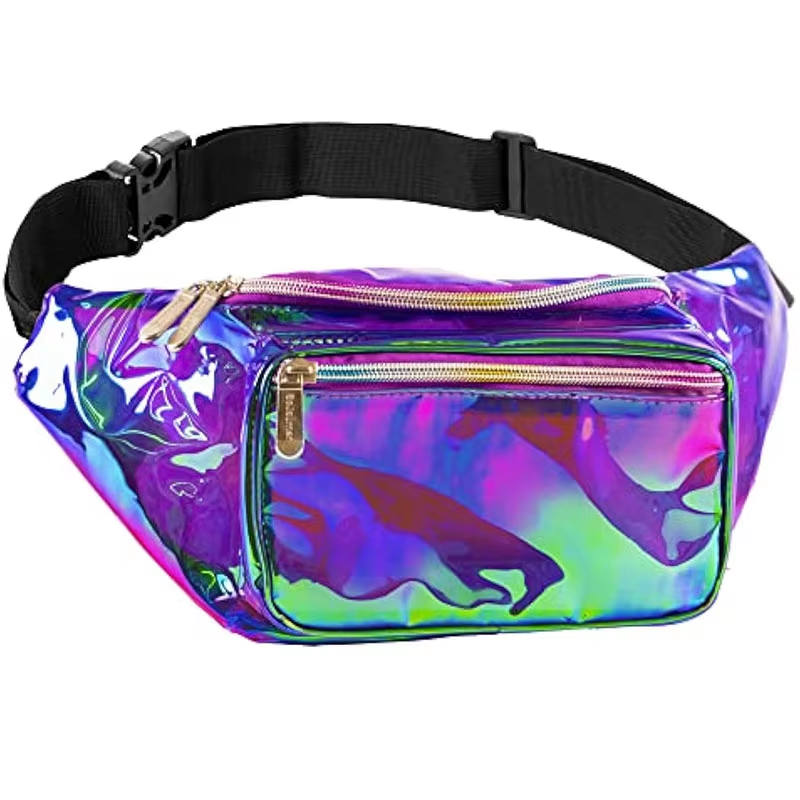
Hiking changes what you need from a bag. On a trail, your hands are for trekking poles, grabbing handholds, and balancing on uneven ground, so anything you carry must stay out of the way and within reach at the same time. A waist bag, worn around the hips, is the classic solution: it keeps essentials like phone, keys, wallet, snacks, and sunscreen accessible without a backpack's bulk or a shoulder bag's swing. But not every waist bag works on the trail. The best waist bags for hiking are designed around three trail realities: they stay put without bouncing or slipping, they organize essentials so you can grab them without stopping, and they survive weather and abrasion that a city bag never meets. Understanding these requirements, and how specific features meet them, is the difference between a waist bag that becomes part of your kit and one you leave at home.
What Hiking Demands From a Waist Bag
Hiking puts demands on a bag that daily urban use does not. The first is movement: walking, scrambling, and occasionally running means the bag must stay stable against the body, because a bag that bounces with every step is both annoying and tiring over a long day. The second is access: on the trail, you want phone, snacks, and water within reach without taking the bag off, and ideally without breaking stride. The third is environment: trails mean sun, sweat, light rain, dust, and contact with rocks and vegetation, so the bag and its contents must tolerate moisture and abrasion. The fourth is load: a hiking waist bag carries only what you truly need, so every gram of the bag itself competes with the weight of the items it holds. A waist bag designed for hiking addresses all four with secure fit, smart compartment placement, durable materials, and minimal unnecessary weight.
Fit and Anti-Bounce Design: The Most Important Feature
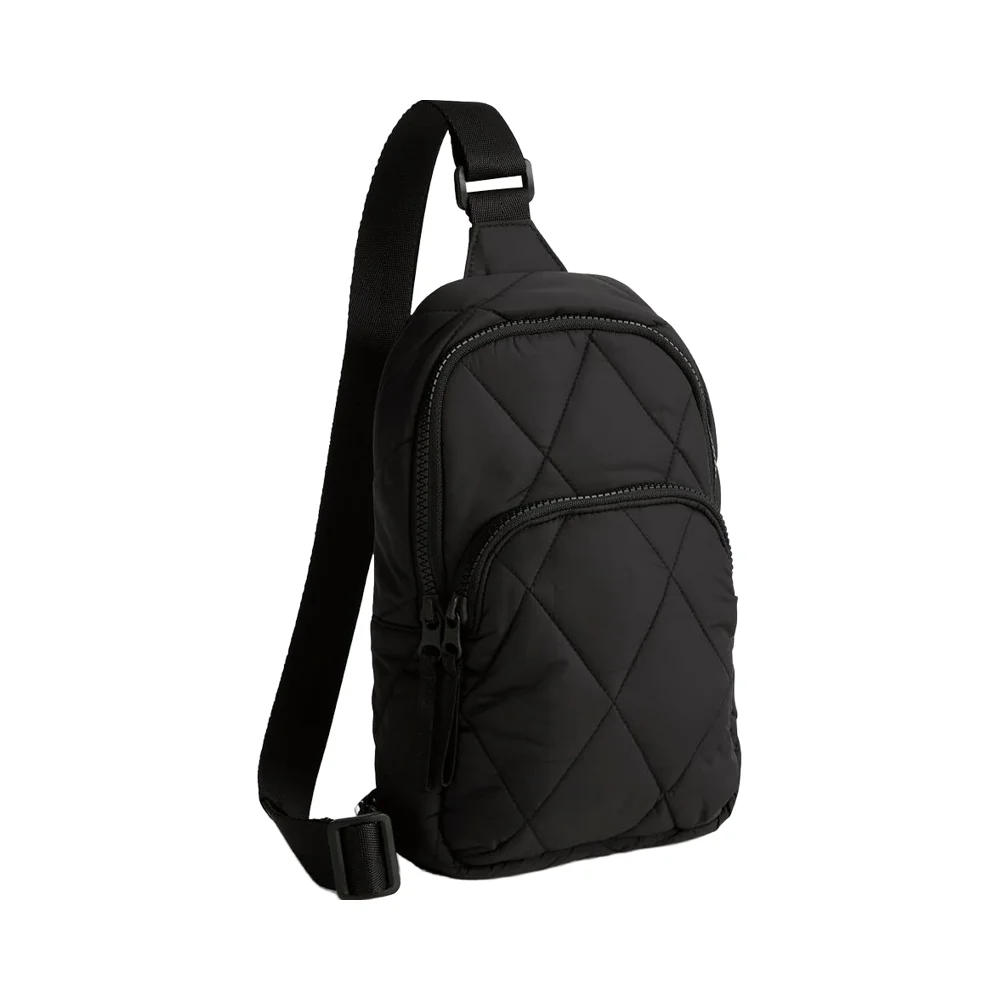
The single most important feature in a hiking waist bag is how it fits and stays in place. The best designs use an adjustable strap that cinches securely around the waist or hips, allowing a snug fit that prevents bouncing or slipping during movement. This anti-bounce performance matters more than any other specification: a bag that shifts with every step distracts you, chafes over time, and can eventually work its way loose and slide off. Look for a strap that adjusts easily while worn, so you can tighten it as you shed layers during the day, and check that the buckle is robust enough for repeated use on the trail. The bag should sit high enough on the hip to stay out of the way of leg movement yet low enough not to interfere with a backpack's hip belt when worn together. Some hikers wear the waist bag in front for easier access; a design that works comfortably in either position adds flexibility on the trail.
Compartments and Organization for Trail Essentials
Organization is what separates a trail-ready waist bag from a simple pouch. A thoughtful compartment design provides enough space for daily hiking necessities while maintaining a slim profile that does not bounce or catch on branches. At minimum, a good hiking waist bag should separate items that need protection from items that need quick access: a secure inner pocket or sleeve for phone and wallet, and a quick-access compartment for snacks, lip balm, sunscreen, or a trail map. A dedicated pocket for a water bottle or a hydration flask is a significant advantage, since hydration on the trail is not optional. Consider how the bag opens and closes too: zippers that open wide make contents visible, while a small exterior pocket allows grabbing a snack without opening the main compartment. The layout should match how you move on the trail, so that the items you reach for most are the easiest to reach.
Materials That Handle the Trail
Trail conditions dictate material choices. A hiking waist bag should be made from wear-resistant, splash-resistant, and lightweight materials that protect your items from light moisture and the daily friction of outdoor activity. Nylon and polyester with a water-repellent finish are the practical standards: they shed light rain and sweat, resist abrasion from rocks and tree bark, and stay light enough to carry without notice. The zippers should tolerate dust and grit without jamming, and the lining should be easy to wipe clean, because trail dust and sunscreen will find their way inside. If the bag will see heavy weather, look for a water-resistant lining inside the main compartment or a separate sealed pocket for a phone, since protecting electronics is a priority on any hike. Pay attention to the seams and strap attachment points as well, because a trail bag takes repeated stress and the failure points are always the same: zippers, buckles, and stitching.
Choosing the Right Size and Capacity for Your Hike
Capacity should match the hike, not the closet. A small waist bag in the 1 to 3 liter range suits day hikes and fast-and-light outings, carrying phone, keys, wallet, snacks, and a small water flask. A larger waist bag, around 4 to 6 liters, adds room for a light jacket, a larger water bottle, a first-aid kit, or extra layers for longer trails and changing weather. The rule is to size for what you will actually carry: an oversized bag encourages overpacking, adds weight, and bounces more, while an undersized bag forces you to choose between trail essentials. For multi-hour hikes in changeable weather, many hikers pair a waist bag with a daypack, using the waist bag for items that must stay immediately accessible and the pack for bulkier gear. Whatever the size, the bag should sit flat against the body when packed, with no hard objects digging into your hip.
Q: Should I wear a hiking waist bag in front or on my hip?
A: It is a matter of preference. Wearing it at the front makes access faster and keeps the bag visible, while wearing it at the hip or lower back keeps it out of the way of leg movement. Choose a bag that sits comfortably in your preferred position and stays secure there.
Q: Can I use a waist bag with a backpack while hiking?
A: Yes. Many hikers pair a waist bag with a daypack, using the waist bag for items that need constant access and the backpack for bulk. If your backpack has a hip belt, choose a waist bag slim enough to avoid interference.
Q: Are waist bags waterproof enough for hiking?
A: Most hiking waist bags are water-resistant, not fully waterproof: they shed light rain, sweat, and splashes, and many have a water-resistant lining for electronics. For heavy rain or stream crossings, use a dry bag or a fully waterproof model.
Q: What should I pack in a hiking waist bag?
A: Keep it to trail essentials: phone, keys, wallet, sunscreen, snacks, lip balm, and a small water flask or bottle. Reserve larger items like jackets and first-aid kits for a daypack, and keep the waist bag light to minimize bounce.


 Hot News