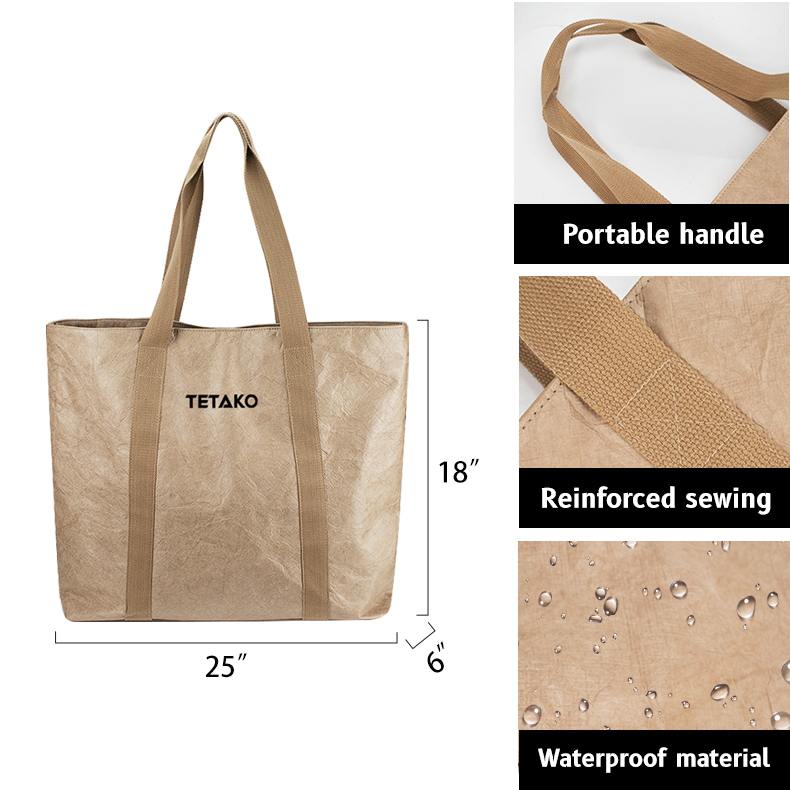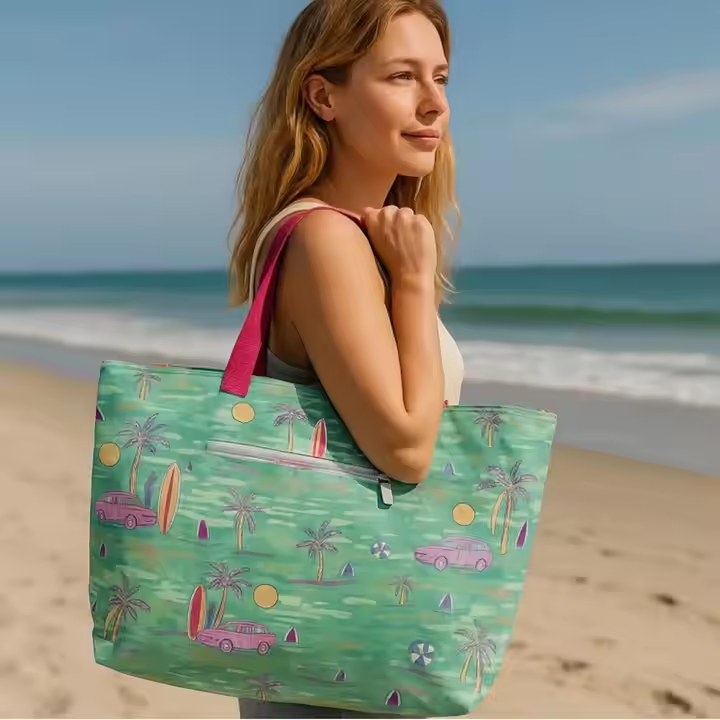
Tyvek bags have moved from industrial packaging to everyday retail, promotional, and lifestyle use, and the reason is a material profile that few other fabrics can match. Tyvek is a brand of flash-spun high-density polyethylene fibers made by DuPont: the resulting sheet material looks and feels like paper but behaves like a fabric, combining properties that usually do not coexist. It is lightweight yet tear-resistant, water-resistant yet breathable, printable with sharp detail, and made from a recyclable material. For anyone choosing a custom bag, whether a retail brand launching a reusable shopping bag, an event organizer printing promotional totes, or a traveler who wants a packable day bag, understanding the specific benefits of tyvek bags helps explain why this material keeps appearing in so many product categories.
What Makes Tyvek Unique as a Bag Material
Most bag materials force a trade-off: fabric bags are strong but heavy and absorb water, plastic bags are waterproof but stiff and glossy, paper bags are light and printable but fragile. Tyvek sits outside this trade-off because of its manufacturing process. Flash-spun high-density polyethylene fibers are bonded into a continuous sheet, giving the material a paper-like surface with the toughness of a synthetic fabric. The result is a material that is about as light as paper, tear-resistant like fabric, water-resistant but breathable, and printable on both sides with crisp, detailed graphics. This unusual combination is why tyvek bags appear across categories as different as conference giveaways, grocery totes, mailing envelopes, and travel organizers: the material adapts to the use rather than forcing the use to adapt to the material.
The Weight Advantage: Light Yet Strong
Weight is the first benefit most people notice with a tyvek bag. A tyvek tote weighs a fraction of what a canvas or nylon bag weighs, which matters in three practical ways. For the carrier, a lighter bag means more capacity left for actual contents, which is why packable tyvek bags are popular for travel and why a beach or shopping trip feels less burdensome. For shipping and logistics, lighter bags reduce freight weight, a real cost consideration for brands that distribute bags or ship products in them. For promotional use, the lightness translates to easy distribution: a bag that weighs almost nothing is cheaper to ship in bulk, easier to hand out at events, and more likely to be carried and reused rather than discarded. None of this lightness sacrifices strength: tyvek's fiber structure gives it tear resistance that surprises anyone who has tested a thin tyvek bag against a comparable paper bag.
Water Resistance Without Sacrificing Breathability
Tyvek's water behavior is its most distinctive benefit. The material is water-resistant: moisture beads on the surface and does not soak through under normal use, so a tyvek bag protects contents from light rain, spills, and damp surfaces. At the same time, tyvek is breathable, meaning air and moisture vapor can pass through the material. This combination is rare and valuable: a bag can keep water out while also letting contents air out, which prevents the musty, trapped-moisture problems of fully waterproof bags. For beach bags, gym bags, and produce or laundry totes, breathability plus water resistance keeps contents drier and fresher than a sealed plastic bag would. It is important to be precise about the level of protection: tyvek bags are water-resistant, not fully waterproof, and prolonged immersion or heavy pressure will push water through the material.
Tear Resistance and Real-World Durability
Durability in a tyvek bag comes from the same fiber structure that makes it light. The flash-spun polyethylene fibers are tough and resist tearing, and once a small puncture is made, it does not run the way a tear in paper or thin plastic does. This makes tyvek bags well suited to demanding, repeated use: carrying books, groceries, sports gear, and damp items. In practice, a tyvek tote holds up through many trips, folds flat for storage, and shows wear differently than fabric bags, developing a soft, broken-in creased texture that many users find appealing. The material also resists water, mildew, and many chemicals, which extends its life in humid or demanding environments. For brands, this durability supports the reuse message: a bag that survives repeated use is a better sustainability story and a better value proposition than one designed to be disposable.
Printability: The Marketing Advantage for Brands
For retail and promotional bags, printability is often the deciding benefit. Tyvek accepts printing with sharp detail and vivid color on both sides, which makes it an ideal canvas for logos, event graphics, and artistic designs. The paper-like surface holds ink well, and the material can be printed using a range of techniques suitable for custom orders, from simple logo prints to full-surface graphics. This printability combines with the other benefits to create a strong promotional product: a branded tyvek bag is lightweight and cheap to ship, waterproof enough for daily use, durable enough for repeat exposure, and visually striking enough to make the brand memorable. Many organizations choose tyvek bags for conferences, retail packaging, and merchandise because the bag itself becomes advertising that travels with the carrier.
Sustainability and Cost Considerations
Two more benefits complete the tyvek bag picture. On sustainability, tyvek is made from polyethylene and is recyclable through dedicated programs, and its lightweight, durable character supports reuse, which is the most impactful sustainability strategy for any bag. Brands positioning tyvek bags as reusable alternatives to single-use plastic or paper bags have a credible story when they pair the material with responsible end-of-life messaging. On cost, tyvek bags offer a favorable balance: they cost more than basic paper bags but less than heavy fabric bags, and the combination of light shipping weight, durability, and print quality often delivers better value per use. When comparing costs, brands should evaluate cost per use rather than unit price, because a tyvek bag that is carried and reused dozens of times is far more economical than a cheaper bag used once.
Q: Are tyvek bags really waterproof?
A: Tyvek bags are water-resistant, not fully waterproof. They shed light rain, spills, and damp surfaces, and they stay breathable, but prolonged immersion or heavy pressure can push water through the material.
Q: Can tyvek bags be recycled?
A: Yes. Tyvek is made from high-density polyethylene and is recyclable through dedicated collection programs. Check with local facilities, since tyvek is not always accepted in standard curbside recycling.
Q: Are tyvek bags strong enough for heavy items?
A: Yes, within reason. Tyvek resists tearing and handles books, groceries, and sports gear well, but as with any bag, respect the load limits of the handles and seams, and avoid overloading.
Q: What printing methods work on tyvek bags?
A: Tyvek accepts a range of printing methods suitable for custom orders, including screen printing and digital printing for full-color graphics, which is why branded tyvek bags are popular for retail and promotional use.
 Hot News