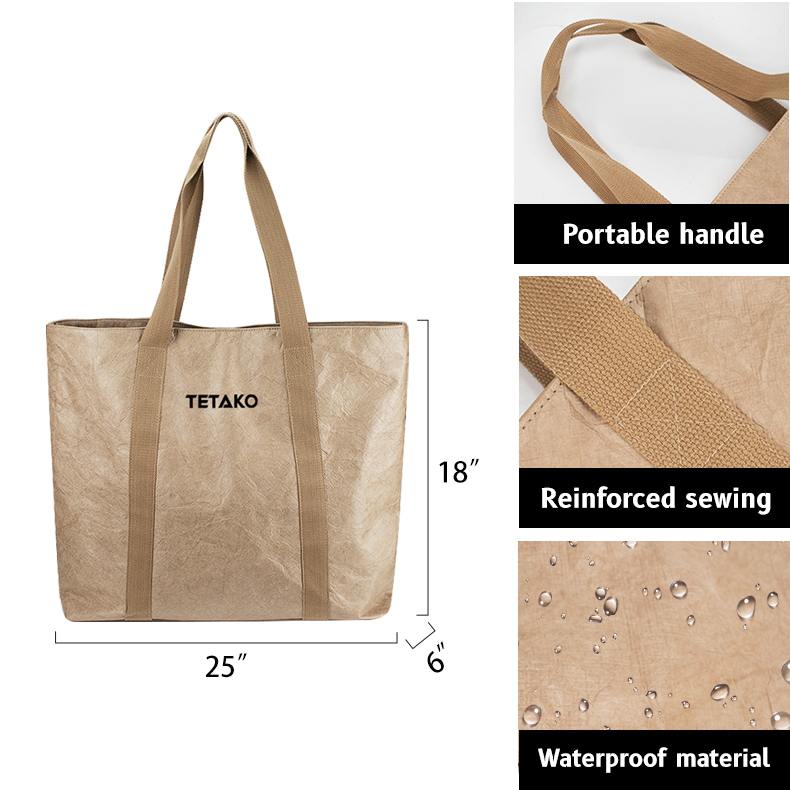
A beach day is one of the hardest tests a tote bag can face. Sand works its way into every seam, sunscreen and salt water attack the fabric, wet swimsuits sit against dry clothes, and the bag ends up carrying far more than it does on an ordinary day: towels, water bottles, sunscreen, books, snacks, and a phone that must survive the trip. A durable tote bag for beach outings is not the same as a stylish everyday tote with a beach print; it is a bag engineered for sand, sun, and moisture, with materials that rinse clean, construction that holds heavy loads, and a layout that separates wet from dry. Understanding what beach conditions do to different materials, how much structure and size a beach day really needs, and which features separate a beach-ready tote from a decorative one will help you pick a bag that lasts through many summers.
What Beach Conditions Do to a Tote Bag
Beach conditions attack bags in four distinct ways. Sand is abrasive: it grinds into fabric fibers and zippers, so a bag headed to the beach benefits from dense, tightly woven materials that shed sand easily and zippers that tolerate grit without jamming. Salt water and sunscreen are chemical threats: salt water leaves residues that weaken some fabrics and corrode metal hardware over time, while sunscreen oils stain fabric and attract more sand. Moisture is the third threat: a wet swimsuit sealed inside a tote with dry items turns the whole bag into a damp, musty environment. Finally, there is weight: a beach tote loaded with towels and bottles can weigh as much as a small suitcase, which is why handles and seams must be built for load, not just for looks. A beach-ready tote addresses all four: sand-shedding fabric, corrosion-resistant hardware, wet-dry separation, and reinforced handles and seams.
Materials That Handle Sand, Sun, and Water
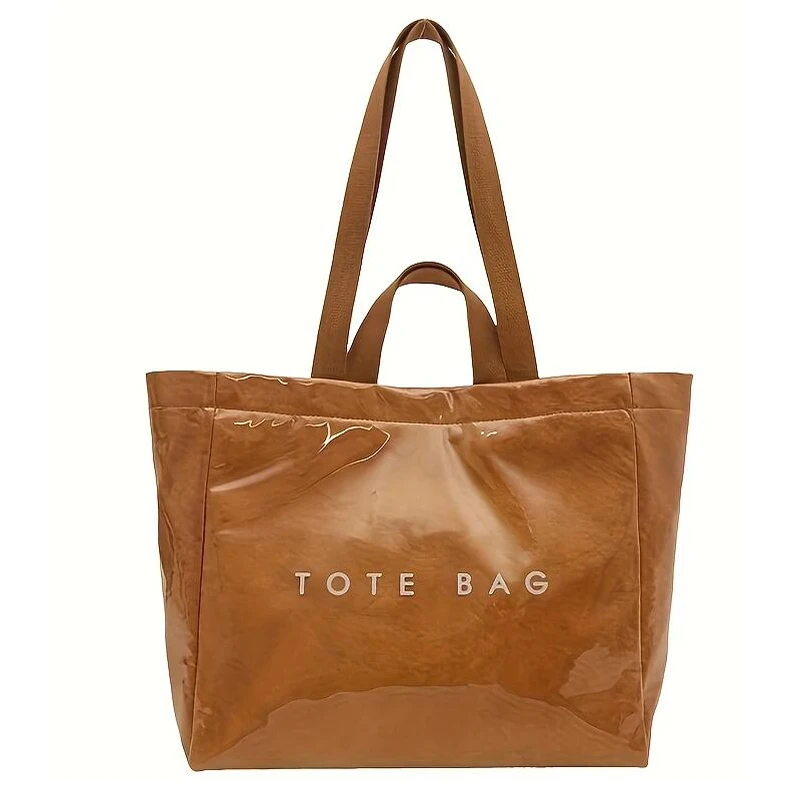
Material choice is the first decision, and each option has a different beach profile. Canvas is the classic beach tote material: heavyweight cotton canvas is durable, holds its shape, and carries heavy loads comfortably, though it absorbs water, dries slowly, and holds stains unless treated. Nylon and polyester totes are the lightweight alternative: they dry quickly, resist abrasion, and when coated or woven tightly they shed sand and water better than canvas, making them a strong choice for beach use. Mesh bags offer a different solution: open-weave mesh lets sand and water drain out as you leave the beach, so nothing damp is sealed inside, at the cost of privacy and some protection for small items. Coated or laminated fabrics add a waterproof barrier, which is excellent for keeping a wet swimsuit contained, though fully coated bags can trap heat and moisture inside. For a bag that will see regular beach use, quick-drying, tightly woven synthetic fabric with reinforced construction is the most practical combination.
Size and Structure: How Much Beach Gear Fits
Beach totes need capacity, but the right size depends on how the bag will be used. A day at the beach with towels, a change of clothes, and family items typically needs a generous tote: a bag in the range of 15 to 20 inches wide with a deep interior fits two towels, a water bottle, sunscreen, and smaller essentials without overstuffing. A structured base is a significant advantage: a tote with a flat, reinforced bottom stands upright in the sand, keeps bottles and containers from tipping, and makes packing and unpacking easier than a floppy sack that collapses. The balance to strike is capacity versus carry comfort: a tote that is too large invites overpacking, and a bag loaded beyond its handle strength will fail at the handles, not the seams. Check the handle attachment and look for reinforced stitching where handles meet the body, since that is the first point to fail under heavy loads.
Features That Make a Beach Tote Actually Work
Several features turn a durable tote into a genuinely beach-ready one. Wet-dry separation is the most useful: a waterproof inner pouch or a coated compartment for a wet swimsuit keeps moisture away from dry items and prevents the musty smell that comes from sealed damp fabric. A zippered top or a secure closure matters on windy beaches, where sand and loose items can blow out of an open tote, and a pocket for phone, keys, and sunscreen keeps small essentials findable in a large bag. Easy cleaning is essential: a tote that can be shaken out, wiped down, or rinsed after the beach stays fresh for years, while one that requires special care becomes a burden. Lightness also matters more than it seems: a lightweight tote leaves room in your carrying capacity for the actual beach gear, which is why many beach-goers report that a light yet spacious bag quickly becomes a daily favorite, used for the library and the beach alike.
Real Beach Use: What Travelers and Brands Look For
The best evidence that a tote is beach-worthy comes from how it performs in real use. Beach-goers consistently value the same things: lightness that does not add burden to an already heavy day, and spaciousness that fits everything without fighting the bag. These two qualities, lightness and spaciousness, are exactly what many satisfied owners describe when they praise their beach tote for daily use, whether heading to the library or spending a weekend by the sea. For brands sourcing beach totes, these user priorities translate into specification requirements: lightweight yet durable fabric, generous dimensions, reinforced handles and seams, and details like wet-dry pockets that address real beach problems. When evaluating a manufacturer, ask how the bag performs after repeated sand and salt exposure, what washing instructions the fabric requires, and whether hardware is corrosion-resistant, because a beach tote that survives its first summer is more likely to earn repeat customers than one that fades by fall.
Q: What is the best material for a beach tote bag?
A: For most beach use, quick-drying nylon or polyester with tight weaving is the best all-rounder: it sheds sand and water, resists abrasion, and rinses clean. Canvas is durable and classic but absorbs water and dries slowly, while mesh drains well but offers less protection.
Q: How do I get sand out of my beach tote?
A: Shake the bag out at the beach, then rinse it with fresh water when you get home and let it dry fully. For mesh bags, a quick rinse drains sand immediately; for lined totes, turn them inside out and shake or vacuum the corners.
Q: Can I use a regular tote bag at the beach?
A: You can, but a beach-specific tote lasts longer: it uses fabrics that handle sand, salt, and moisture, features wet-dry separation, and has reinforced handles for heavy loads. A regular fashion tote will wear out faster and may not protect your phone and keys.
Q: Are waterproof beach totes better than water-resistant ones?
A: Waterproof totes keep wet items contained and protect dry items, but they trap heat and can be heavier and stiffer. Water-resistant quick-dry totes handle most beach days comfortably; choose fully waterproof only if you regularly carry a wet swimsuit or electronics near water.


 Hot News