The Comeback Follows a Real Change in Daily Carry Habits
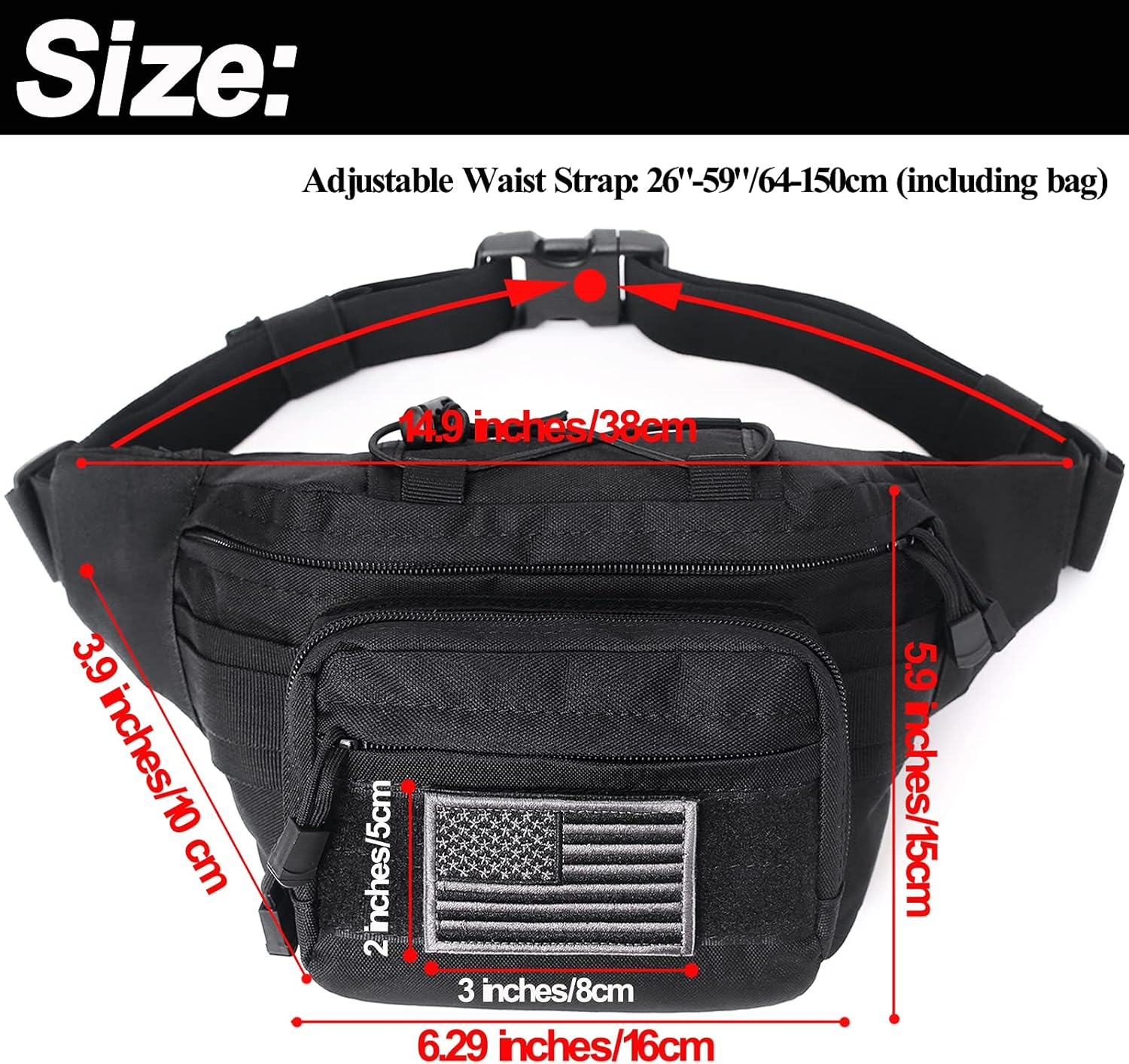
A fanny pack was once treated as a strictly practical accessory, the kind of item associated with sightseeing rather than style. That perception has flipped. The fanny pack is back on runways, in street-style coverage and in the core accessory lines of mainstream brands, and the reasons behind the return are practical rather than sentimental. Most people now carry fewer objects but care more about each one: a phone, a slim cardholder, keys, earbuds, a compact power bank. A bag sized for exactly those items and worn close to the body with both hands free solves a daily problem that a large tote or a slipping shoulder bag does not. Travel and commuting habits reinforce the shift. When a bag sits across the chest or high on the hip, valuables stay inside the wearer's line of sight and inside their personal space, which matters in crowded transit, at festivals and in busy city centres. The fanny pack did not return because nostalgia sells. It returned because the way people move through a day changed, and the bag finally matched it.
Quilting, Soft Shells and Better Hardware Changed the Look
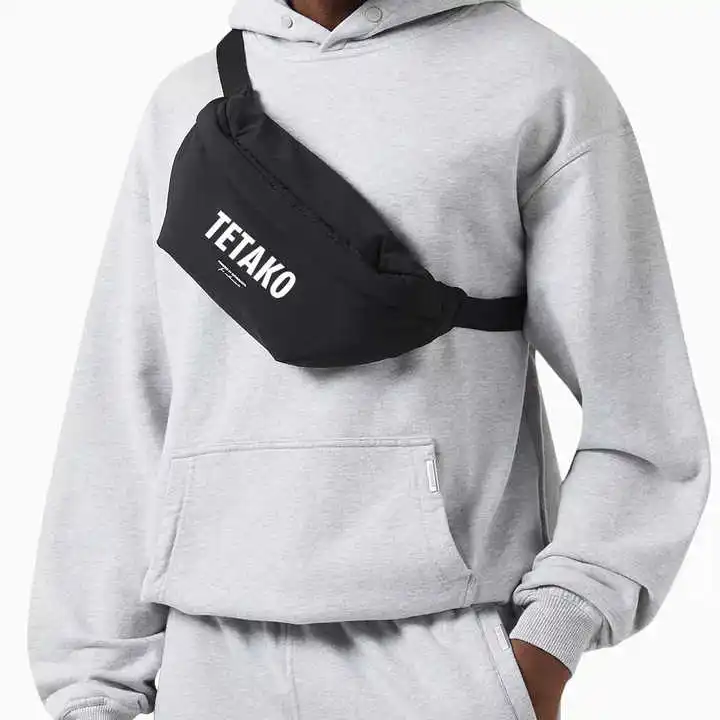
The second reason is design. The fanny packs selling now look nothing like the flat nylon pouches of twenty years ago. Quilted and padded constructions borrowed from outerwear give the silhouette a soft, structured shape that reads as fashion rather than equipment. Longer webbing straps let one product be worn three ways, at the waist, high on the hip or across the body, which multiplies the styling range a single SKU covers. Colour is doing heavy lifting as well. Instead of the black and olive palette of outdoor gear, current ranges use tonal neutrals, pastel shells and contrast linings, with hardware finished in brushed gold, matte black or gunmetal. Detachable straps, removable belt sleeves, reflective pulls and small modular pouches add perceived value at modest cost. The commercial outcome is a category that now spans outdoor, streetwear, travel and everyday segments while resting on one basic construction.
Materials and Hardware Are Where Real Quality Is Decided
Two buyers comparing quotes on what looks like the same fanny pack are usually comparing different materials. The most common shells are nylon and polyester, and the denier number matters: a low-denier fabric feels light but can look thin and crease quickly, while a higher-denier fabric with a water-repellent finish holds shape and resists everyday abrasion. Cotton canvas gives a matte, structured look that suits fashion lines but is heavier and slower to dry. PU leather delivers a clean surface and easy colour matching, at the cost of a shorter service life than woven fabric. Inside the bag, a lined and edge-finished interior is the clearest sign that a factory treated the product as a finished accessory rather than a pouch. At hardware level, three details decide whether the bag survives daily use. The zipper should run smoothly across its full length with a consistently aligned chain and a reinforced pull. The buckle should lock positively and hold under load rather than slipping when the strap is tensioned. And the points where the strap meets the body should carry bartack or box-and-cross reinforcement, not a single line of stitching. Colour also becomes a commercial issue, not only a design one. Specific Pantone references should be agreed and kept for reorders, otherwise a second production run can arrive visibly different from the first.
A Practical Sourcing Scenario: Two Styles Instead of Ten
A brand entering the category for the first time is usually tempted to launch a broad range. A more durable approach is to start with two clearly separated styles. Picture an outdoor-lifestyle label that wanted one quiet everyday model and one activity model for running and cycling. The everyday version used a single main compartment, a soft quilted shell in a tonal neutral, a longer webbing strap for crossbody wear and a simple metal pull. The activity version used two compartments, a water-repellent woven shell, a reflective zip pull and a slightly wider strap. Both shared the same buckle, the same webbing width and the same zipper specification, so hardware was purchased at one volume and one price. Sampling on specifications like these typically runs three to five working days without a logo and seven to nine working days with branding applied. A minimum order of 500 pieces per style is a common starting point, and mass production usually needs thirty to thirty-five working days after sampling approval. When a supplier handles both design and production in house, an initial sketch or reference photo can be converted into technical flats within about a day, which shortens the loop between an idea and a costed sample.
How to Tell a Fashion Fanny Pack From a Disposable One
When a category trends, low-cost versions arrive quickly and they are not always obvious from a photograph. Four checks separate the two. First, look at stress points: the strap anchor, the zipper ends and the buckle attachment should all be reinforced. Second, test the zipper under load rather than empty, because a zipper that runs freely with nothing inside can still skip when the bag is full. Third, examine the strap end and the seam allowance; raw, unfinished edges indicate the bag was assembled to a price rather than to a specification. Fourth, inspect colour in daylight against the approved reference, since a batch that missed its target colour will look wrong next to the rest of a range. For buyers, the same logic becomes procurement discipline: keep a signed golden sample, define defects and tolerances in the purchase order, and ask for pre-production samples before mass production begins.
Frequently Asked Questions
Is the fanny pack still in fashion in 2026?
Yes. The category has moved from a novelty revival into a steady part of accessory ranges because it answers a practical need: carrying a phone, cards and keys without occupying the hands. What changes season to season is the surface treatment and colour palette rather than the basic format.
Can a fanny pack be worn across the body instead of at the waist?
It can, provided the strap is long enough. A longer webbing strap with an adjustable slider lets the same bag sit at the waist, high on the hip or diagonally across the chest. Designers who plan for crossbody wear from the start get three styling positions from one SKU.
What is the minimum order quantity for custom fanny packs?
A minimum of around 500 pieces per style is typical for custom production, with samples available in roughly three to five working days without a logo and seven to nine working days with branding. Mass production commonly requires thirty to thirty-five working days after sample approval.

 Hot News