Why These Bags Need a Different Cleaning Routine
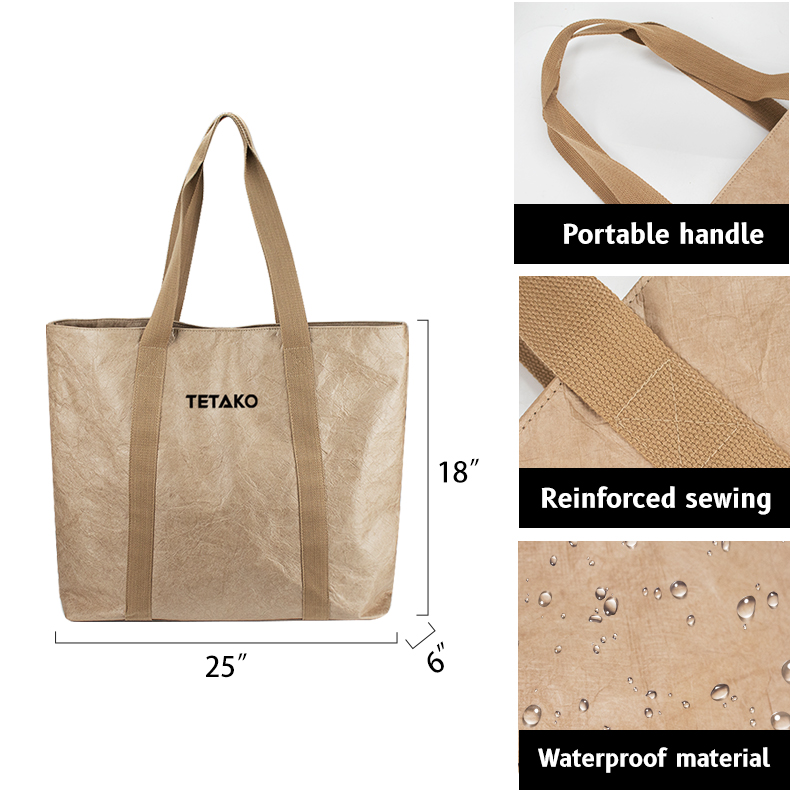
A reusable bag made from spunbonded high-density polyethylene, the material family usually sold under the name tyvek, does not behave like a woven fabric. It is light, water-resistant and tough enough to resist tearing, which is why tyvek bags have become common as reusable shopping bags, promotional totes and lightweight travel pouches. Those same properties create the cleaning problem. The surface is bonded rather than woven, so aggressive friction can scuff it, and the material softens and can distort under heat. That rules out most of the habits people apply to cotton or heavy nylon: no hot water, no tumble drying, no direct ironing, no bleach and no solvent-based cleaners. The good news is that a tyvek bag rarely needs deep cleaning. A bag in this material resists spills at the surface, so most marks can be removed before they soak in, and the routine that protects the material is also the fastest one to carry out.
The Routine That Works: Spot Clean and Air Dry
The reliable method takes a few minutes and no special equipment. Wipe or brush off loose dirt first, because rubbing dry grit into the surface is what causes visible scuffing. Mix a small amount of mild liquid soap into lukewarm water, dampen a soft cloth or sponge rather than soaking the bag, and work the mark gently from the outside inwards so the stain does not spread. Do not scrub. Rinse the cloth and wipe the area again with clean water to lift any soap residue, since dried soap attracts dust and leaves a dull patch. Then let the bag air dry flat, away from direct sunlight, radiators and hair dryers, and away from the inside of a hot car. Once dry, fold or store the bag flat rather than hanging it by a handle, because a loaded handle attachment point is the first place a lightweight bag starts to weaken.
What to Do About Specific Stains
Different marks respond to different handling, and treating them correctly is what prevents a small mark becoming permanent damage. Fresh food or drink spills should be blotted, not wiped, so the liquid is lifted out rather than pushed further into the surface. Greasy marks are the hardest category: press a drop of mild dish soap onto the mark, leave it for a minute, then lift it off with a damp cloth and repeat rather than scrubbing harder. Ink marks should be tested first on a hidden area such as the inside of a seam or a pocket edge, because ink removal on a bonded surface can lift the print along with the stain. Mud should be allowed to dry completely and then brushed off before any water is applied, since wetting dried mud simply works it deeper. For any mark that will not lift after two gentle attempts, stop. On a printed tyvek bag, persistence is more damaging than the original stain.
A Practical Sourcing Scenario: Care Instructions as Part of the Specification
For a brand selling reusable tyvek bags at retail, cleaning guidance is not a consumer service detail, it is part of the product specification. Consider an anonymous programme in which a company needed reusable lightweight bags for a high-turnover retail and event environment. The brief treated care labelling as a deliverable alongside the bag itself. The specification asked which substrate grade was being used, whether the chosen printing method would survive repeated wiping, what the recommended cleaning wording should be, and how that wording would appear on the product, either as a printed care line inside the bag or on a small card inserted with it. The result was a bag with a defined cleaning method rather than an implicit one. As a planning reference, a specification of this type can be sampled in three to five working days without branding and seven to nine working days with printing applied, with a common minimum of 500 pieces per style and mass production in roughly thirty to thirty-five working days after approval.
What Buyers Should Confirm Before Ordering
The single most useful question a buyer can ask about a tyvek bag is which specific substrate is being supplied, because tyvek is a material brand name while the market also contains similar spunbonded polyethylene materials with different weights and surface finishes. Ask for the substrate grade and weight, not just the trade name. Then confirm three further points. First, the rub resistance of the printed graphics, since a print that scuffs when cleaned defeats the purpose of a reusable bag. Second, the handle attachment method, because this is the load-bearing point on a lightweight bag. Third, whether the supplier can state a cleaning method in writing, which protects both the brand and the end user from damaging a bag that was perfectly serviceable. Where the destination market requires material compliance documentation, that documentation should be requested before the order is confirmed.
Frequently Asked Questions
Can a tyvek bag go in a washing machine?
It is best avoided. Machine washing subjects the material to heat, agitation and mechanical stress, all of which can wrinkle, distort or abrade a bonded polyethylene surface. Gentle spot cleaning with mild soap and lukewarm water, followed by air drying flat, is the safer routine.
Can a tyvek bag be ironed?
Direct ironing should be avoided, because the material softens under heat and can mark or distort. If creases must be reduced, the safer approach is to store the bag flat and let it settle, and any heat application should be brief, low and separated from the bag by a cloth.
How do you clean a printed tyvek bag without damaging the print?
Treat the print as the fragile part of the bag. Blot rather than wipe, use the mildest soap available, avoid solvent-based products entirely, and test any method on a hidden area such as a pocket edge before applying it to a visible panel. Repeated light passes are safer than one firm scrub.



 Hot News