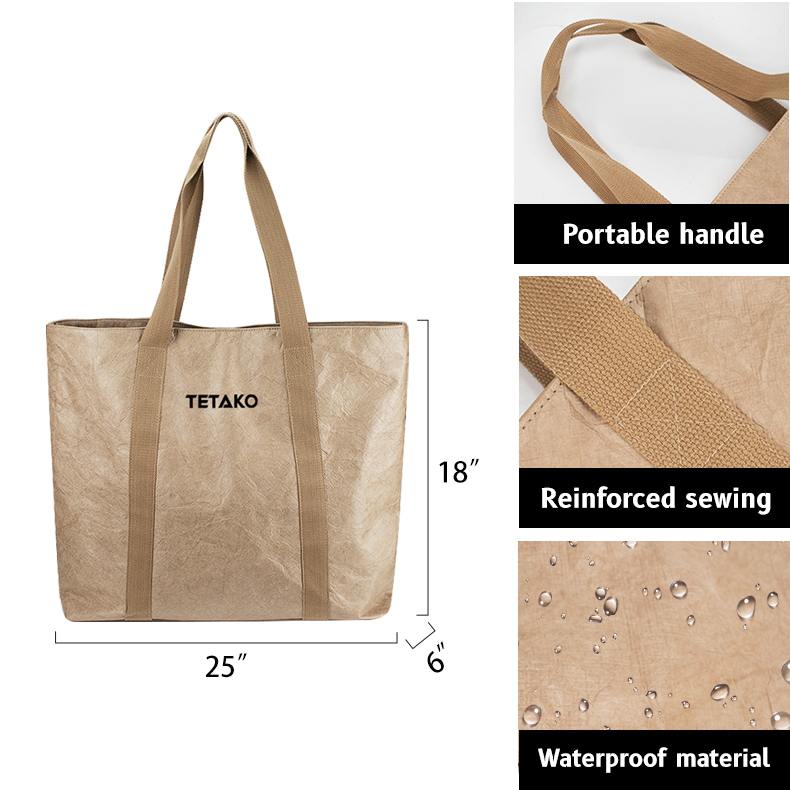
Choosing the right camera bag is not just about style or storage space. A professional and well-designed camera bag directly affects how safely you transport your equipment, how efficiently you work, and how comfortable you feel during long shooting sessions. Based on years of product development experience and real feedback from photographers and global buyers, this article explains what features truly matter when selecting a camera bag, combining practical experience, professional knowledge, and industry-recognized standards.
Protection and Padding Are the Foundation of a Reliable Camera Bag
From our experience working with photography equipment distributors and professional photographers, the first concern is always protection. Cameras and lenses are sensitive to shock, pressure, and vibration, especially during travel or outdoor shooting. A high-quality camera bag must use thick, shock-absorbing padding and reinforced internal structures to protect valuable gear.
Professional camera bag designs typically feature multi-layer foam padding combined with structured panels to prevent external impact. Many Allwin Bags camera bag solutions also include removable padded dividers, allowing users to customize internal layouts based on different camera bodies and lens sizes. This flexibility is critical for both hobbyists and professionals who frequently change equipment setups.
Industry experts from organizations such as the Professional Photographers of America emphasize that insufficient padding is one of the most common causes of camera damage during transport. A properly padded camera bag significantly reduces long-term equipment wear and unexpected repair costs.
Internal Organization Improves Workflow Efficiency
A well-organized camera bag is not just about neat storage; it directly affects shooting efficiency. Based on real-world user feedback, photographers lose valuable time when accessories are difficult to access. Therefore, internal compartment design is a key feature to evaluate.
A professional camera bag should include dedicated compartments for camera bodies, lenses, batteries, memory cards, chargers, and filters. Clear separation prevents friction between items and reduces the risk of scratches. Some camera bag designs also integrate mesh pockets or elastic holders to keep small accessories visible and secure.
From a manufacturing perspective, Allwin Bags focuses on modular internal structures, which are especially popular among B2B buyers who serve different market segments. This type of camera bag design allows end users to adapt the bag to studio photography, travel shooting, or outdoor use without changing bags.
Material Quality and Weather Resistance Matter More Than You Think
Another essential feature of a dependable camera bag is material selection. Through years of OEM and ODM production experience, it is clear that not all fabrics perform equally under real-world conditions. A camera bag should be made from durable, abrasion-resistant materials such as high-density polyester, nylon, or coated fabrics.
Weather resistance is particularly important. Professional photographers often work in unpredictable environments, so a camera bag should offer water-resistant or waterproof protection. Many high-quality camera bag products also include rain covers or water-repellent coatings to protect equipment from moisture and dust.
According to outdoor gear testing standards referenced by industry material suppliers, reinforced stitching and water-resistant zippers significantly improve a camera bag’s lifespan. These details may seem minor, but they directly impact trust and long-term usability.
Comfort and Ergonomic Design Enhance Long-Term Use
Comfort is often underestimated when choosing a camera bag, especially by beginners. However, photographers who carry equipment for hours quickly realize how important ergonomic design is. From experience shared by professional users, poorly designed shoulder straps and back panels lead to fatigue and even long-term strain.
An ergonomic camera bag should feature padded shoulder straps, breathable back panels, and balanced weight distribution. Adjustable straps allow users of different body types to achieve a comfortable fit. For larger camera bag models, chest straps or waist belts can further reduce shoulder pressure.
Manufacturers like Allwin Bags integrate ergonomic principles into camera bag design by combining lightweight materials with structural support. This approach ensures the camera bag remains comfortable even when fully loaded, which is essential for travel photographers and event shooters.
Capacity, Size, and Customization Options Should Match Your Needs
Not every photographer needs the same camera bag size. A compact camera bag may be perfect for daily street photography, while professionals may require larger capacity for multiple lenses and accessories. Understanding capacity requirements helps avoid unnecessary bulk or insufficient storage.
Customizable camera bag options are increasingly important in today’s market. From a B2B perspective, customization allows brands and distributors to offer camera bag products tailored to specific user groups. Features such as logo branding, size adjustments, material upgrades, and compartment changes add significant value.
Based on our experience serving international buyers, customizable camera bag solutions are especially attractive for promotional use and private-label brands. This flexibility helps businesses align product functionality with brand positioning.
Durability and Build Quality Define Long-Term Value
A camera bag is a long-term investment, not a disposable accessory. Professional photographers consistently report that build quality directly affects product lifespan. Reinforced stitching, strong zippers, and durable hardware are essential indicators of a reliable camera bag.
Authoritative insights from equipment retailers show that cheap materials and weak seams are common failure points. A well-constructed camera bag reduces replacement frequency and increases overall value. Quality control during manufacturing plays a critical role in ensuring consistency across large production batches.
Allwin Bags applies strict quality inspection standards during camera bag production, focusing on stress testing, load-bearing checks, and material durability. These measures help ensure that each camera bag meets professional expectations and global market standards.
Trust, Brand Experience, and Real-World Feedback
Finally, trustworthiness is built through real-world experience and transparent product information. A reliable camera bag supplier should clearly explain materials, features, and use cases rather than relying on vague marketing claims. Buyers increasingly value brands that demonstrate manufacturing expertise and respond to real user needs.
From our long-term cooperation with global clients, we have learned that customer feedback is one of the most valuable sources of product improvement. Continuous refinement based on real shooting scenarios ensures that each camera bag design evolves with user expectations.
Choosing the right camera bag means balancing protection, organization, comfort, durability, and customization. When these elements come together, a camera bag becomes more than storage—it becomes a trusted tool that supports every photography journey.


 Hot News