A cooler bag is one of the most important accessories for any successful outdoor picnic. Whether you are heading to a park, beach, or campsite, keeping food fresh and drinks cold is essential for both comfort and food safety. From my experience working with outdoor bag suppliers and manufacturers that produce insulated bags for global retailers, the difference between a standard lunch bag and a professionally designed cooler bag can be dramatic. Some basic bags may keep beverages cool for only an hour, while a high-quality cooler bag can maintain a low temperature for several hours.
Temperature control is especially important when transporting foods such as dairy products, meat, fruits, and prepared meals. Food safety experts commonly recommend keeping perishable foods below 40°F (4°C) to reduce the risk of bacterial growth and foodborne illness. A well-designed cooler bag helps achieve this by combining multiple layers of insulation materials, including reflective thermal lining and high-density foam. These materials slow down heat transfer, allowing the cooler bag to keep food fresh for longer during outdoor activities.
Another advantage of a cooler bag is its portability. Compared with rigid plastic coolers, insulated soft cooler bags are lighter, flexible, and easier to carry. Modern cooler bag designs often include padded shoulder straps, ergonomic handles, and collapsible structures that make them convenient to transport. Because of these benefits, the cooler bag has become a preferred choice for family picnics, outdoor festivals, and weekend getaways.
When selecting the best cooler bag for a picnic, several important design elements should be considered. Based on industry experience and feedback from outdoor retailers, a few factors consistently determine the overall performance and reliability of a cooler bag.
The insulation material is the most critical factor. High-quality cooler bags typically use thick PE foam insulation combined with reflective aluminum foil or thermal lining. This multi-layer insulation structure helps maintain internal temperature and prevents external heat from entering the bag. As a result, drinks and food can stay cold for extended periods.
Another essential feature is a leakproof lining. A picnic cooler bag is often used with ice packs, chilled beverages, and cold food. If the interior lining is not waterproof, condensation or melting ice may leak through the seams. Premium cooler bag designs usually incorporate heat-sealed liners made from materials such as PEVA or TPU. These liners prevent leaks while also being easy to clean after use.
The durability of the outer fabric also affects the lifespan of the cooler bag. Professional manufacturers commonly use materials like polyester, Oxford fabric, or recycled RPET fabric. These textiles offer excellent resistance to tearing, moisture, and UV exposure, making them ideal for repeated outdoor use.
Finally, capacity and compartment design should match the needs of the picnic. Some users prefer a compact cooler bag for drinks and snacks, while others need a larger insulated cooler bag with multiple compartments to separate food, utensils, and ice packs. Choosing the right size ensures both convenience and efficient temperature management.
Cooler bags are available in several styles, each designed to meet different outdoor picnic scenarios. Over the years, certain cooler bag styles have become particularly popular due to their practicality and comfort.
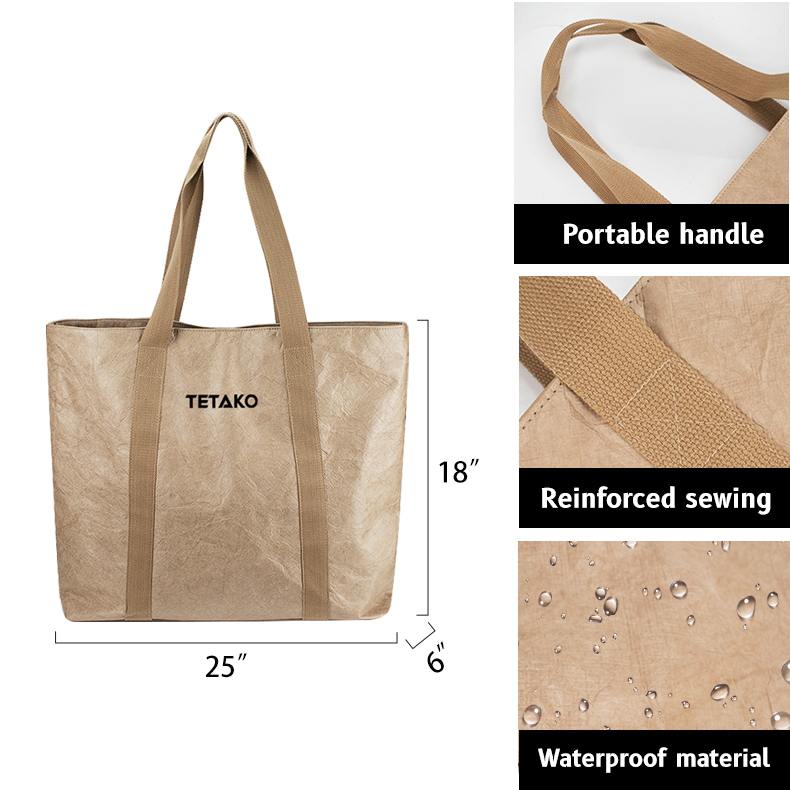
The tote-style cooler bag is commonly used for casual picnics. These bags resemble everyday shopping totes but include insulated lining to maintain temperature. They are lightweight and typically large enough to carry sandwiches, fruits, and drinks for two to four people.
Another widely used design is the shoulder cooler bag. Equipped with adjustable shoulder straps, this type of cooler bag distributes weight more evenly and allows for comfortable carrying. Many users prefer this design because it keeps their hands free while walking to parks, beaches, or outdoor events.
For longer trips, a backpack cooler bag can be extremely practical. Backpack designs distribute weight across both shoulders and the back, reducing strain during longer walks or hikes. A backpack cooler bag is particularly useful for hiking picnics or camping trips, where users may need to carry additional gear while keeping food and drinks cold.
Some manufacturers also produce multi-compartment cooler bags. These designs feature separate storage sections for beverages, dry food, and picnic accessories. This organization not only improves convenience but also protects delicate food items from being crushed during transportation.
Producing a reliable cooler bag requires careful design, material selection, and strict quality control. Professional manufacturers specializing in insulated bags often conduct thermal testing to ensure their products meet performance standards.
For example, some factories test a cooler bag’s insulation efficiency by measuring how long it can maintain low temperatures under controlled conditions. A high-quality cooler bag can typically keep food and beverages cold for four to eight hours when used with ice packs.
Seam construction is another crucial aspect of cooler bag manufacturing. Many factories use heat-sealed or welded seams to create leakproof insulation layers. This process strengthens the structure of the cooler bag and prevents water from leaking through the lining.
Customization has also become increasingly important in the cooler bag market. Brands often request personalized cooler bag designs with specific sizes, additional pockets, printed logos, or eco-friendly materials. Manufacturers capable of providing OEM and ODM services can tailor cooler bag products to the needs of supermarkets, outdoor brands, and promotional campaigns.
Selecting the best cooler bag ultimately depends on how and where you plan to use it. For short city picnics, a lightweight tote-style cooler bag is often sufficient because food only needs to stay cool for a few hours. However, families planning full-day outings may benefit from a larger insulated cooler bag with thicker insulation and multiple compartments.
If your picnic involves hiking or walking long distances, a backpack cooler bag offers better comfort and mobility. For beach trips or camping adventures, choosing a waterproof and leakproof cooler bag with durable fabric is highly recommended.
Based on industry expertise and user feedback, the most effective cooler bag combines strong insulation, durable materials, practical storage space, and comfortable carrying options. When these elements work together, a cooler bag becomes more than just a container—it becomes a reliable companion for outdoor dining and relaxation.
As outdoor lifestyles continue to grow in popularity, cooler bag designs are also evolving. Manufacturers are increasingly adopting eco-friendly fabrics, lightweight insulation technologies, and ergonomic structures to improve user comfort and sustainability. These innovations ensure that modern cooler bags can meet the needs of today’s outdoor enthusiasts while maintaining food freshness and convenience during picnics.

 Hot News