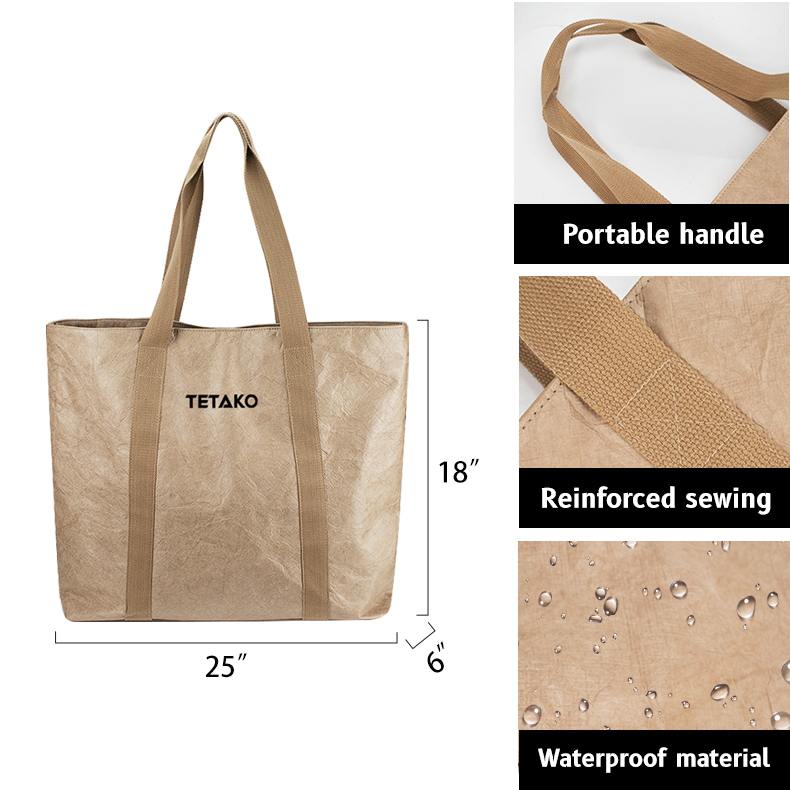
Understanding Space Limitations in a Duffle Bag
When traveling, going to the gym, or packing for short business trips, a well-organized duffle bag can make a significant difference in convenience and efficiency. Many users underestimate how much usable space they actually have inside a duffle bag and often leave empty pockets of air or create unnecessary clutter. Understanding how to fully utilize the internal structure is the first step toward smarter packing.
At Allwin Bags, product design experience shows that modern users increasingly prefer bags that combine lightweight structure with large-capacity functionality. A well-designed duffle bag is not just about size—it is about how efficiently space is distributed and accessed. Based on manufacturing insights, features such as wide openings, reinforced fabric, and internal compartments all contribute to better space utilization.
In real usage scenarios, whether for travel, sports, or daily commuting, users often report that inefficient packing leads to wrinkles, damaged items, or wasted space. That is why understanding how to organize a duffle bag properly is as important as choosing the right model in the first place.
Smart Folding and Packing Techniques for Efficiency
One of the most effective ways to maximize space inside a duffle bag is using smart folding techniques. Rolling clothes instead of folding them traditionally is a widely recommended method in travel and packing guides because it reduces air gaps and improves space efficiency. This method also helps minimize wrinkles, making it especially useful for business or travel clothing.
From a product design perspective, manufacturers like Allwin Bags often consider internal capacity distribution when developing a duffle bag. A well-structured interior allows users to stack rolled items more efficiently and maintain balance within the bag. Lightweight fabrics and flexible structures also help the bag expand slightly without losing shape, which improves usability.
Travel experts and professional organizers often recommend categorizing items before packing—clothing, toiletries, electronics, and accessories should each have their own section or packing pouch. This reduces time spent searching for items and ensures that space is used in a more logical and structured way.
Using Compartments and Packing Accessories Effectively
A high-quality duffle bag often includes internal or external compartments designed to improve organization. These compartments are not just decorative—they serve an important functional role in separating items and preventing wasted space. Smaller pockets can be used for chargers, keys, or personal accessories, while larger compartments can hold clothing or shoes.
According to industry experience from manufacturers such as Allwin Bags, consumers increasingly prefer multi-functional duffle bag designs that support modular packing systems. Packing cubes, pouches, and compression bags are commonly used accessories that significantly increase usable space. Compression bags, in particular, help reduce the volume of soft items like jackets or sweaters.
A structured packing system also improves weight distribution. When heavier items are placed at the bottom and lighter items on top, the duffle bag becomes easier to carry and reduces strain during transport. This is especially important for users traveling long distances or carrying their bag for extended periods.
Material Flexibility and Structural Design Matter
The material and construction of a duffle bag directly impact how much usable space it provides. Soft-sided duffle bags tend to offer more flexibility compared to rigid designs, allowing users to adjust contents based on need. However, without proper reinforcement, soft bags may lose shape and become difficult to carry when overpacked.
At Allwin Bags, production focuses on balancing flexibility and durability. Reinforced stitching, durable zippers, and carefully selected fabrics ensure that a duffle bag can expand without breaking structure. Water-resistant materials also add practical value, protecting contents while maintaining bag integrity during travel or outdoor use.
Industry feedback shows that users value bags that maintain shape even when partially full or heavily packed. This structural stability not only improves usability but also helps maximize internal space by preventing unnecessary folding or deformation of stored items.
Packing Strategy Based on Real Usage Scenarios
Maximizing space inside a duffle bag is not only about techniques but also about understanding usage scenarios. For gym users, separating clean clothes from used items helps maintain hygiene and organization. For travelers, prioritizing essential items such as documents, electronics, and clothing ensures that the most important belongings are easily accessible.
Professional bag manufacturers like Allwin Bags design duffle bag products with versatility in mind, allowing them to adapt to different lifestyles. A well-designed duffle bag can be used for gym sessions, weekend trips, business travel, or even daily commuting.
Experts in travel organization often recommend packing heavier and less frequently used items first, followed by lightweight essentials. This method ensures efficient use of vertical space and prevents unnecessary shifting during movement. When combined with thoughtful design and proper material selection, a duffle bag becomes a highly efficient storage solution.
Long-Term Durability Supports Better Space Utilization
A durable duffle bag not only lasts longer but also maintains its internal structure over time, which directly affects space efficiency. Weak stitching or poor-quality materials can lead to deformation, reducing usable space and making packing less efficient.
At Allwin Bags, emphasis is placed on long-term durability and quality control to ensure that each duffle bag maintains performance under frequent use. Reinforced handles, strong zippers, and premium fabrics help preserve shape integrity even after repeated packing and travel cycles.
Over time, users who invest in a well-structured duffle bag experience better packing efficiency, reduced stress during travel, and improved organization. This combination of durability and smart design ultimately leads to maximum space utilization and a more convenient travel experience.

 Hot News